

196 days
19 countries on 2 continents
39,062 kilometers
1 dream come true!
Also…
2,200L of fuel (aprox)
4 rear tires, 3 front
2 tire punctures
2 accidents
4 cameras broken
766 gigabytes of photos and video shot
0 bribes paid to crooked police
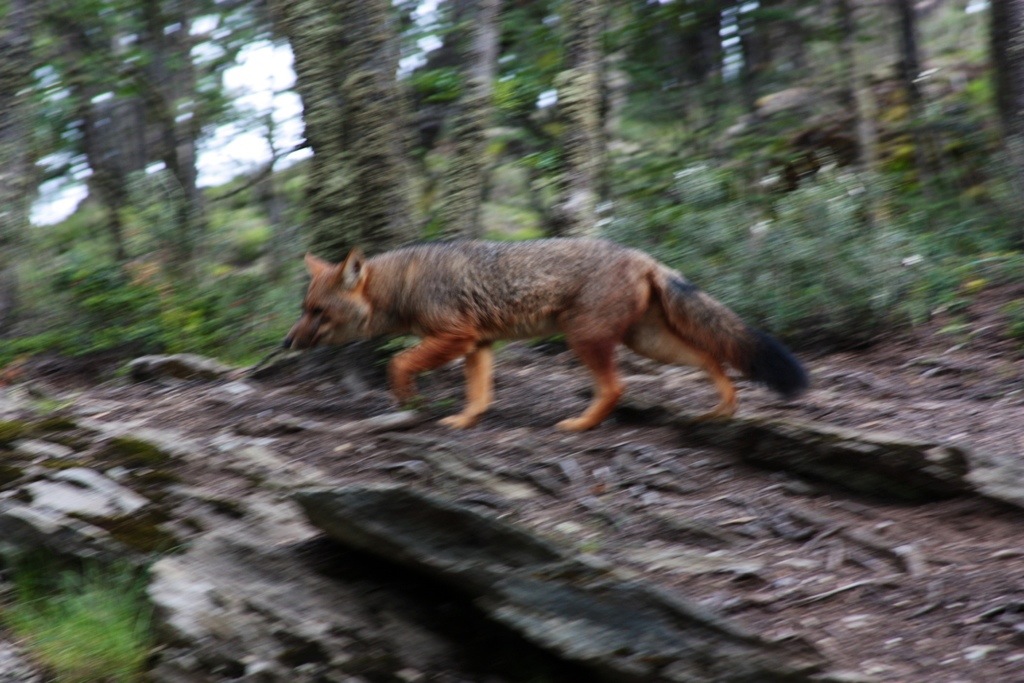
2 unlucky dogs
2 birds to the head
And a million other things I hope I never forget
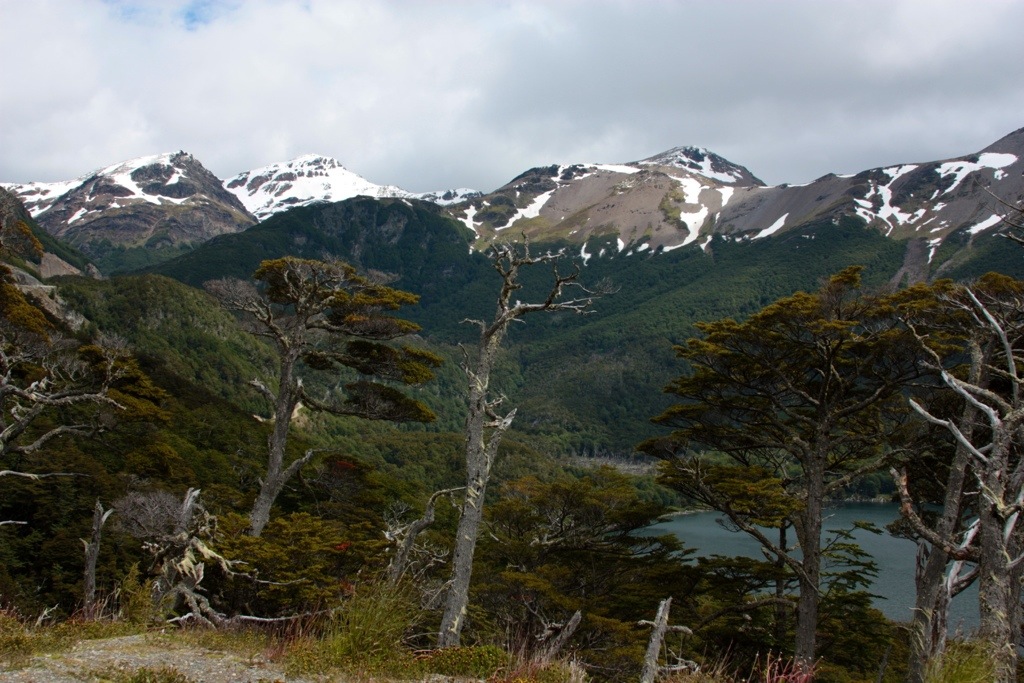
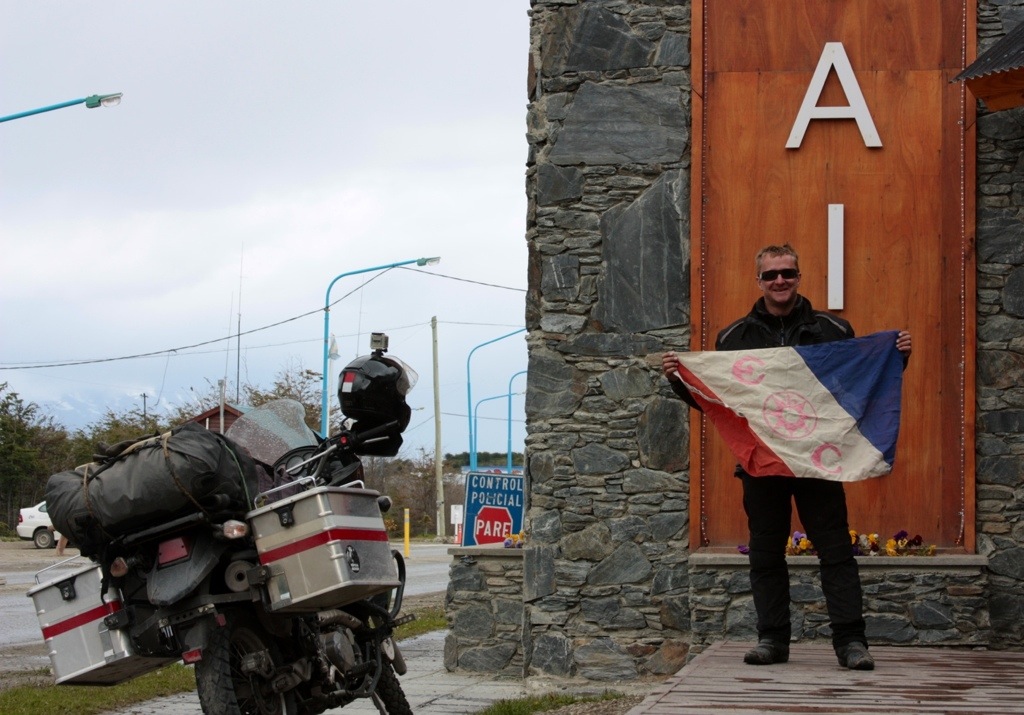
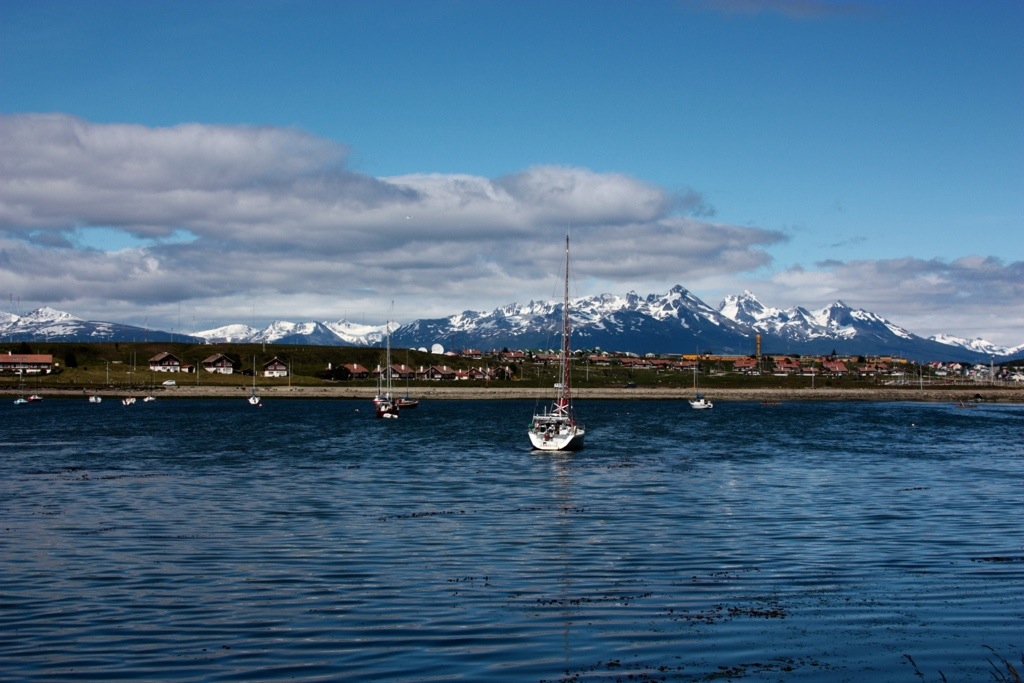
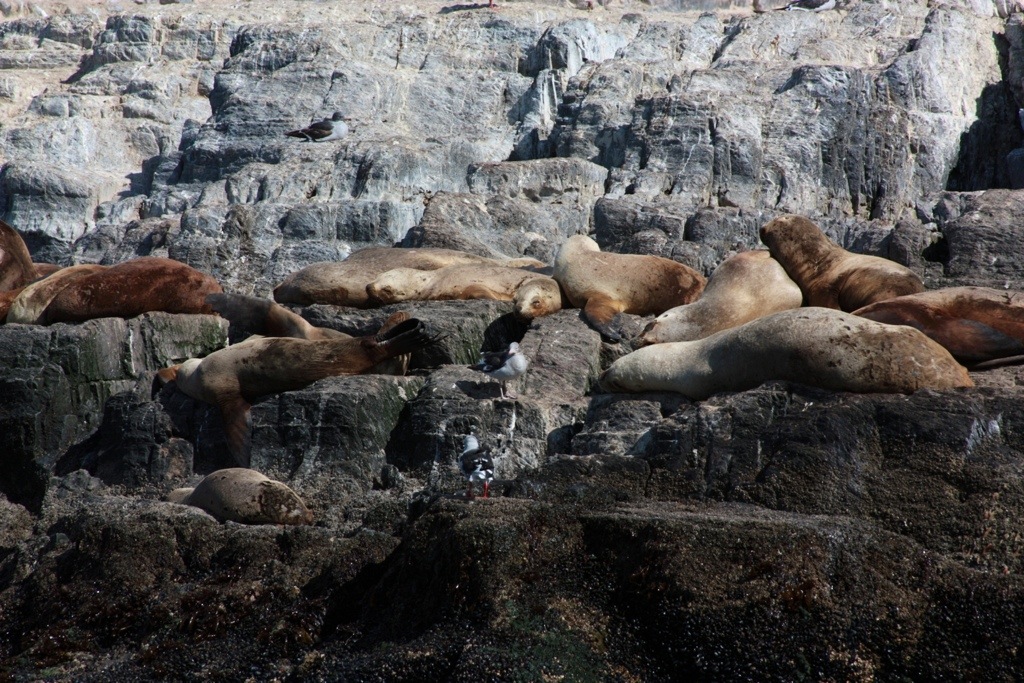
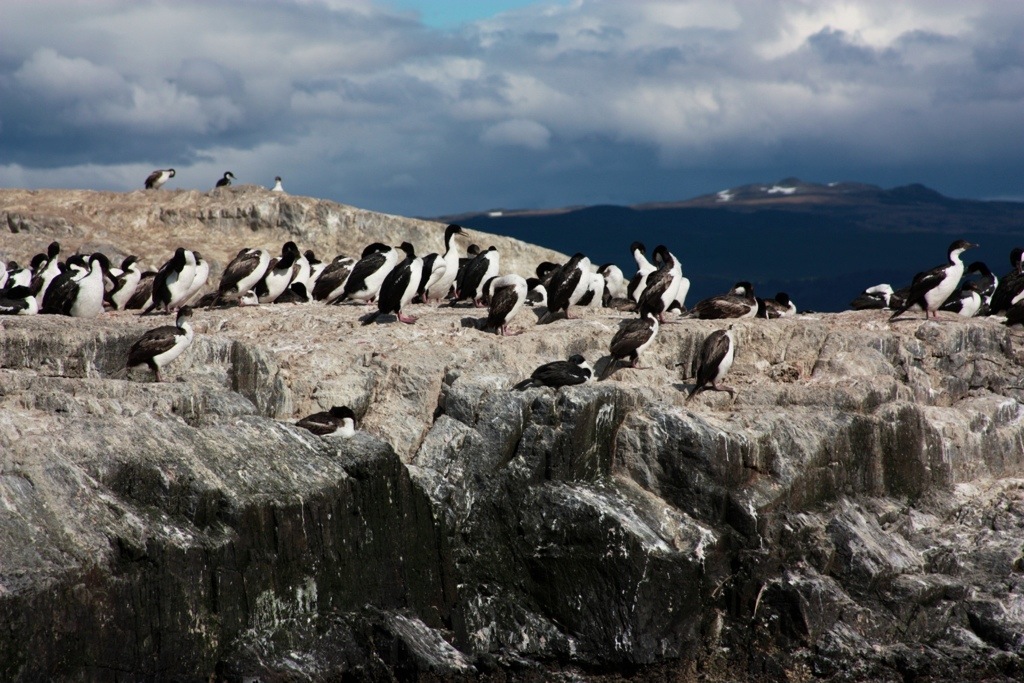
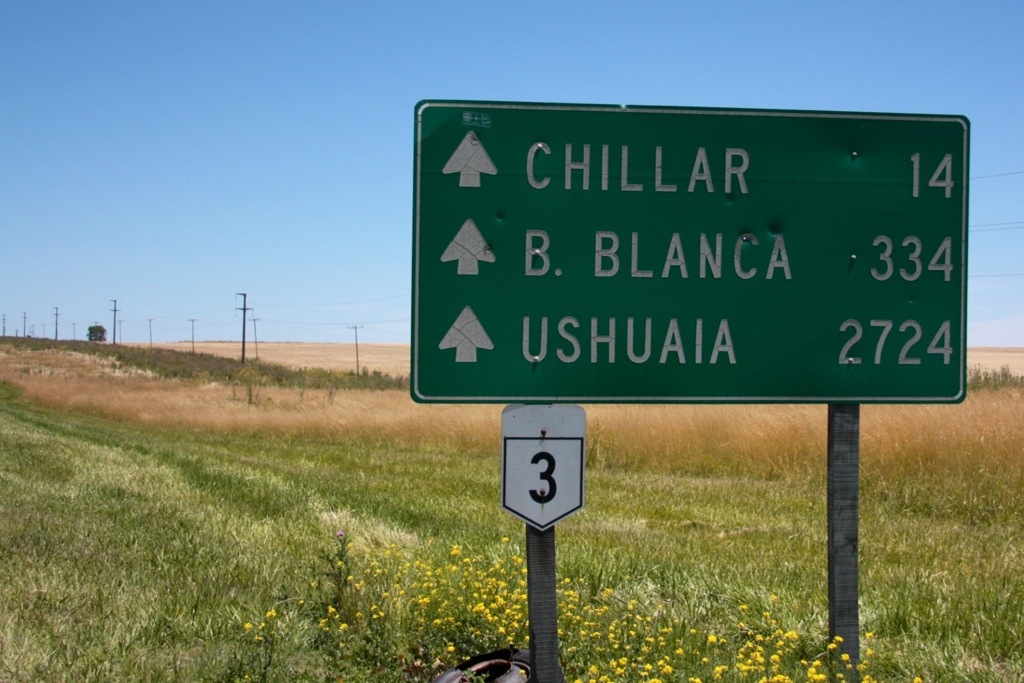
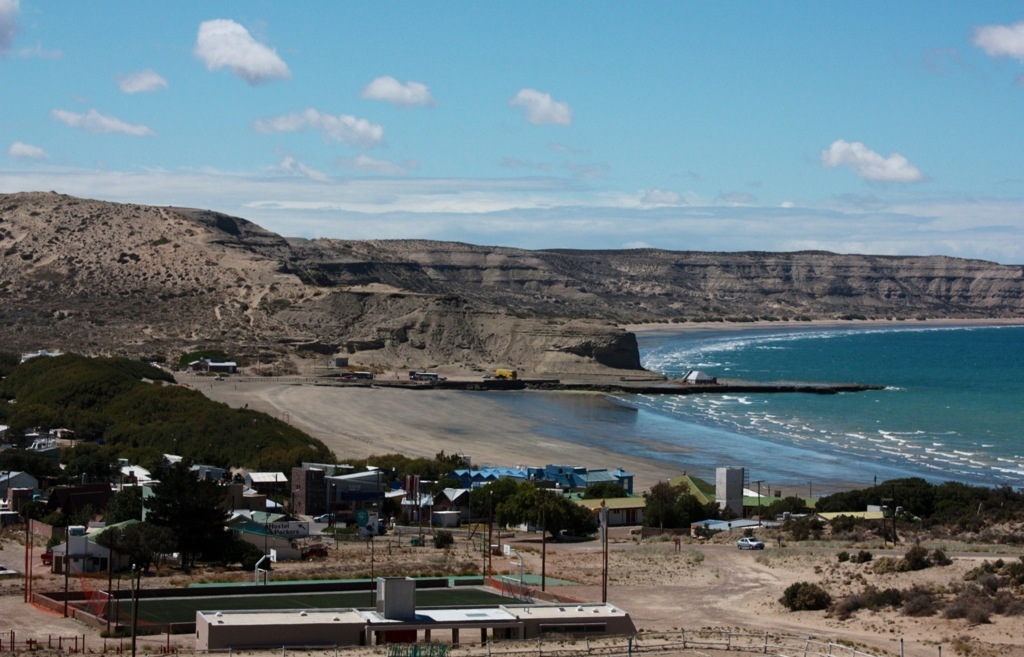
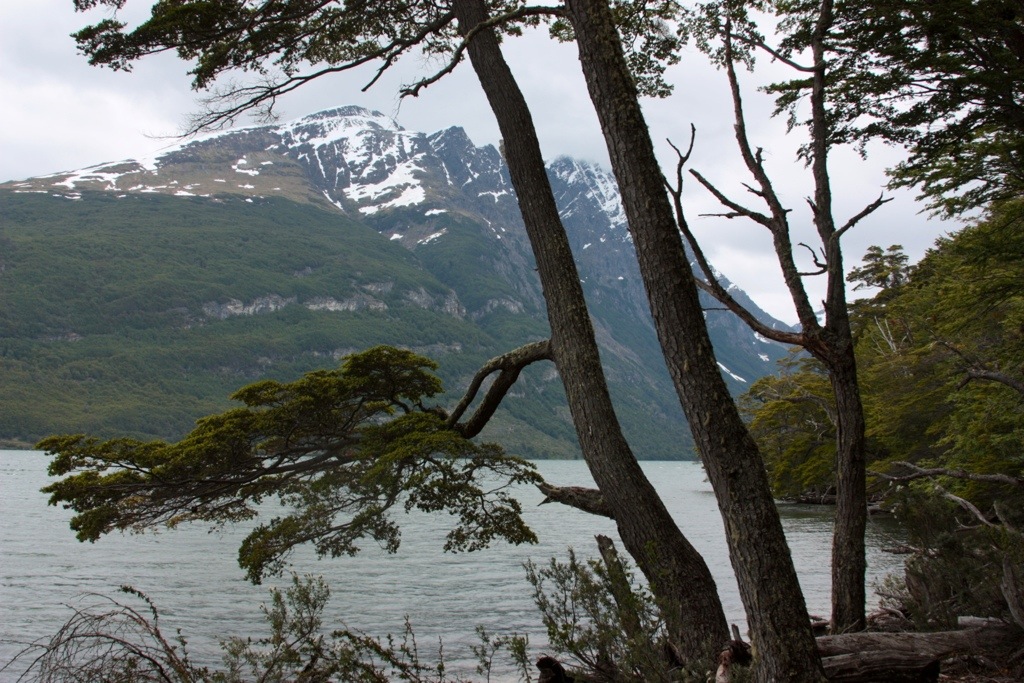
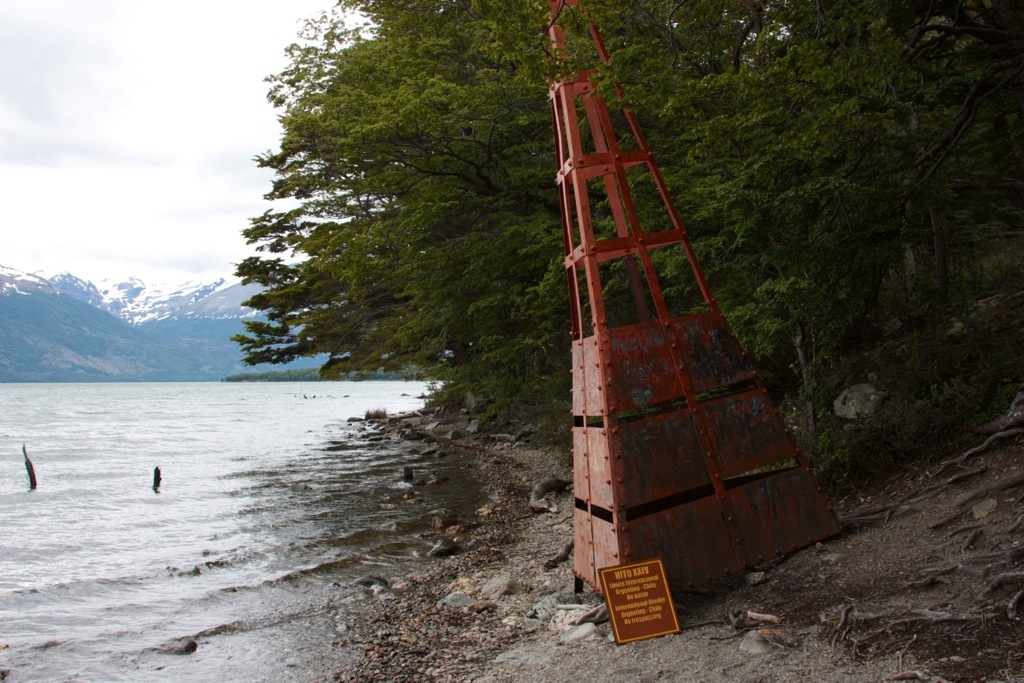
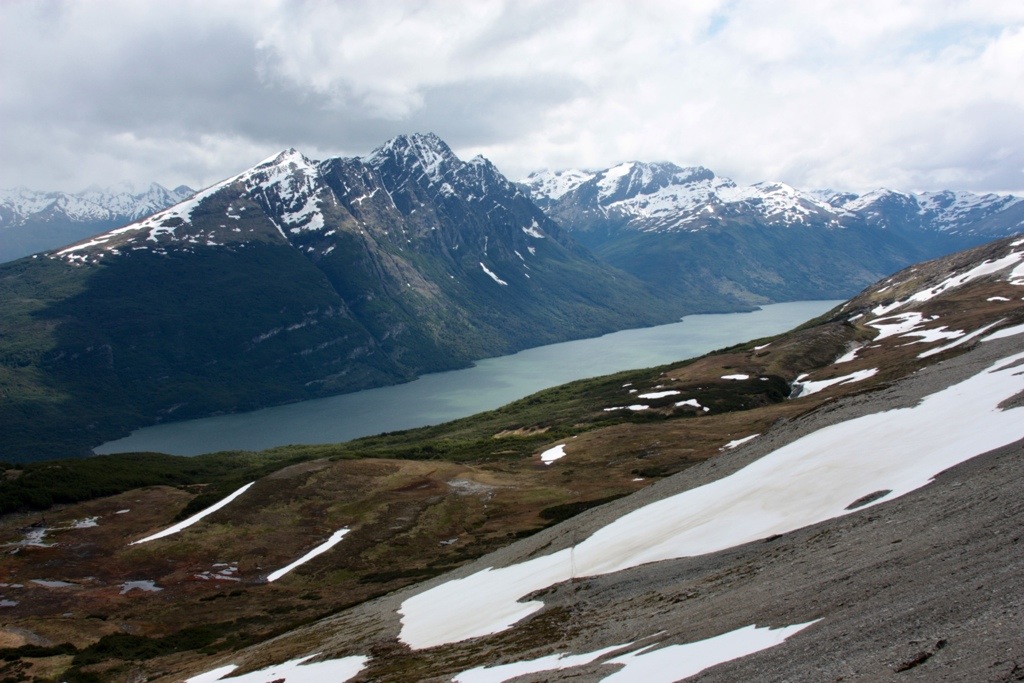
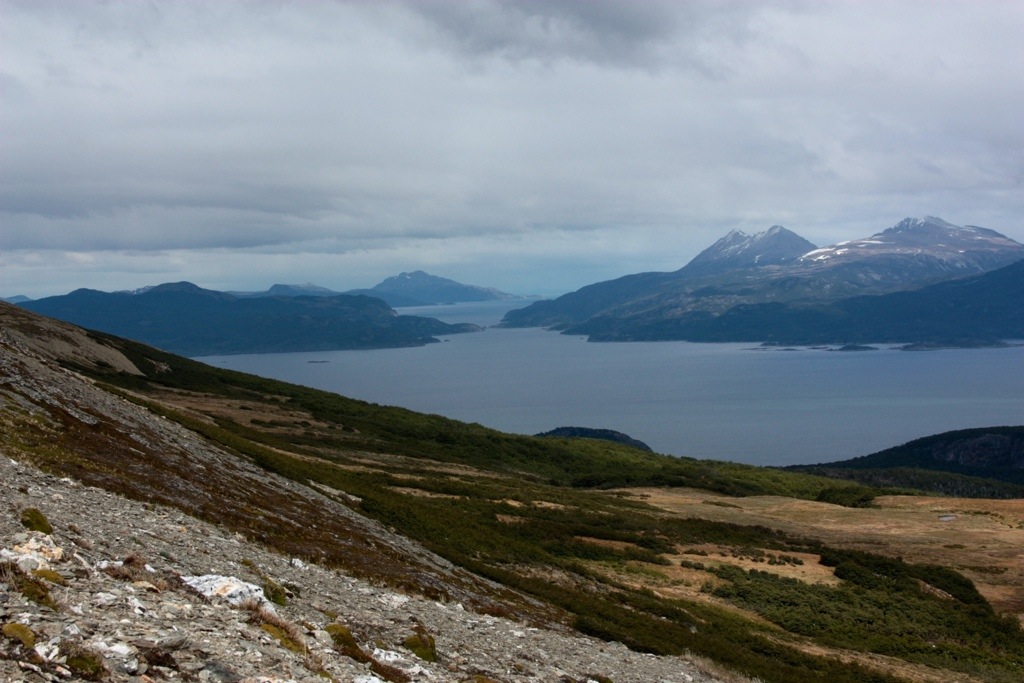
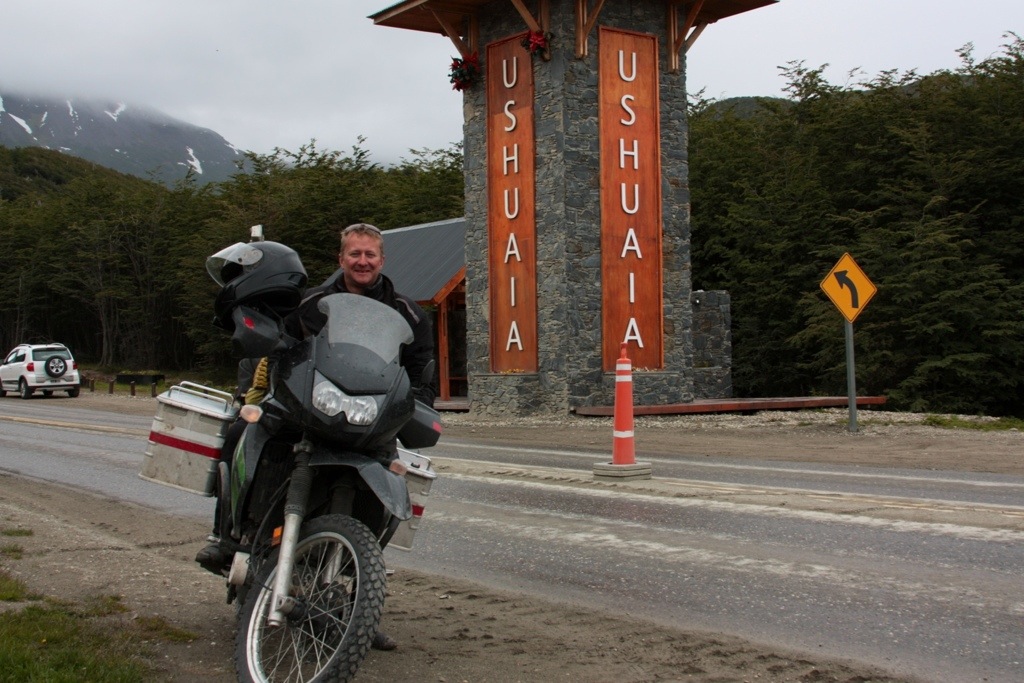
I’m nearly there! Ushuaia is the most southerly town in the world.
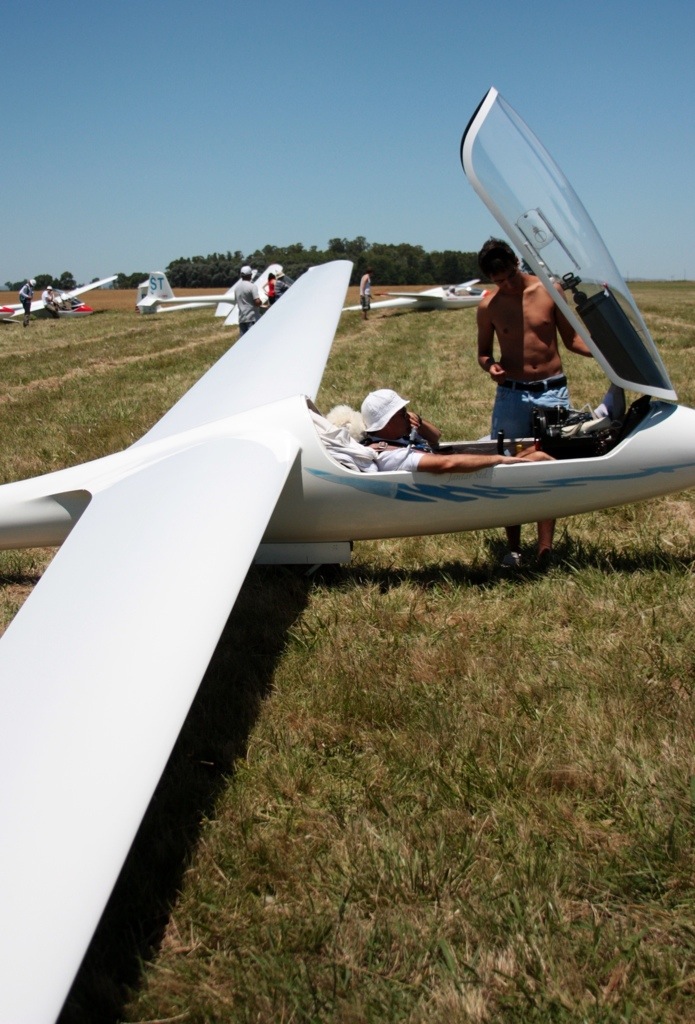
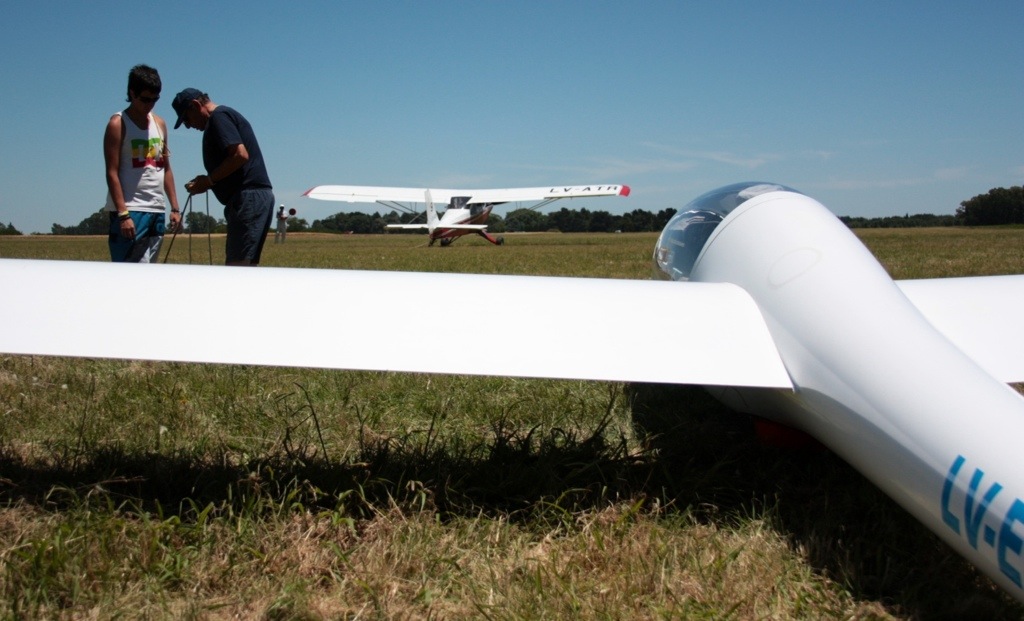
I stumbled across a glider race. This interests me, I may have to give it a try.
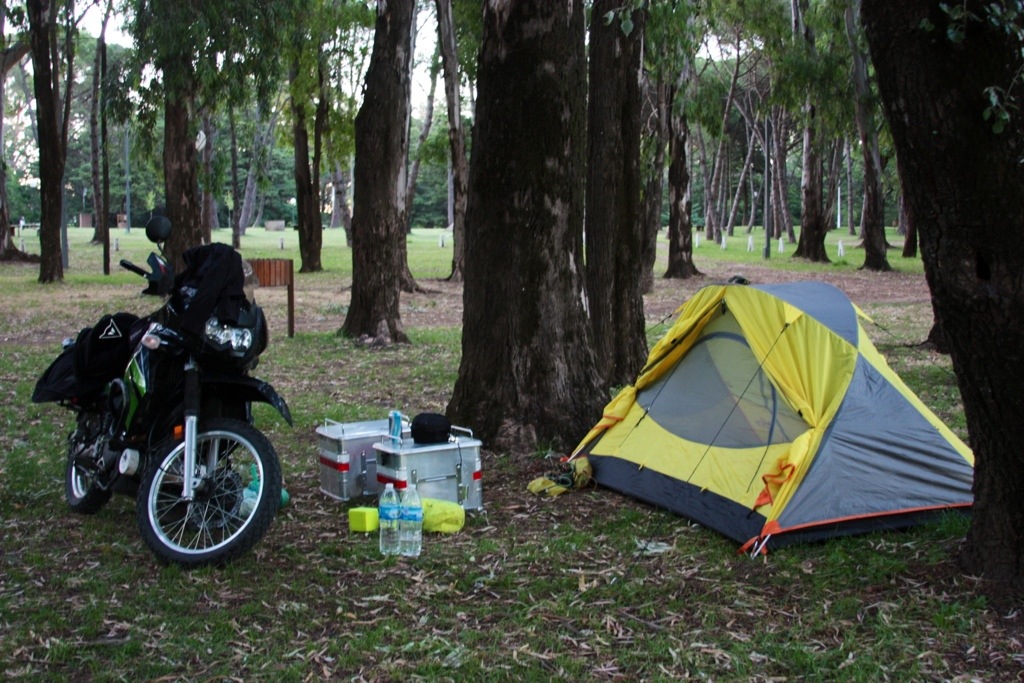
Camping in the park in Pigue, Argentina. Lovely little farming town. Camping makes me happy, no matter how bad the day of driving has been. As soon as I start setting up my tent my spirits soar.
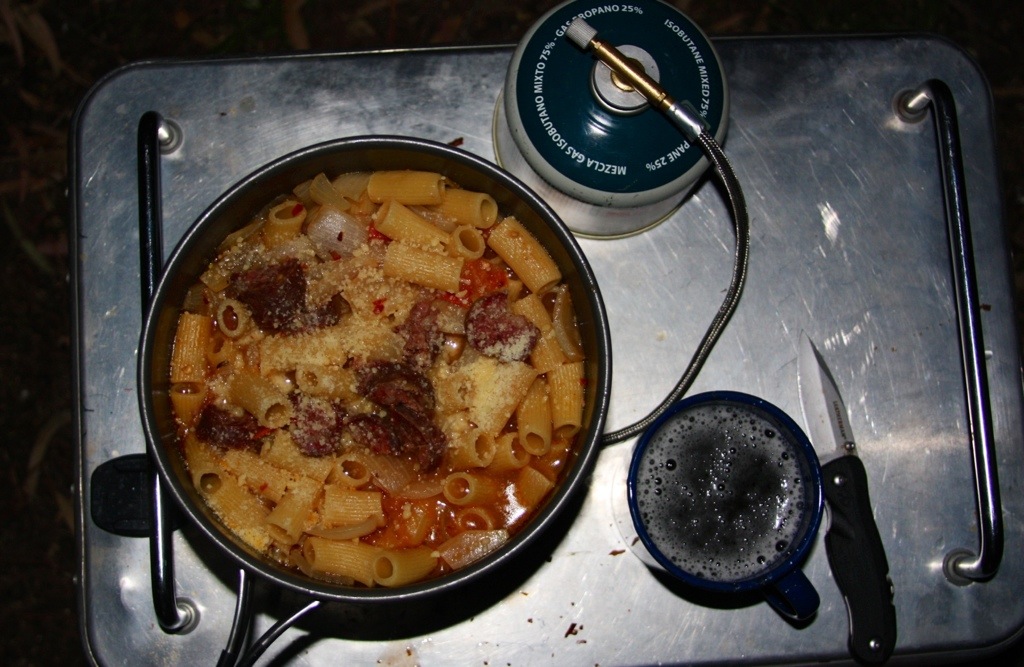
This is for my HK friends, who always take pictures of their food. I cook on one box, sit on the other. Here you have pasta with dried chilies from Mexico, salt taken from Salar de Uyuni, Bolivia, sausage and veggies from Argentina, and a mug of cold beer. Gusto!

On my way to Remico, Argentina. I think it’s the most southerly Mennonite colony in the world.

Sush Loewen (Susie), 9 yrs old. Her family let me stay on their yard for the weekend.
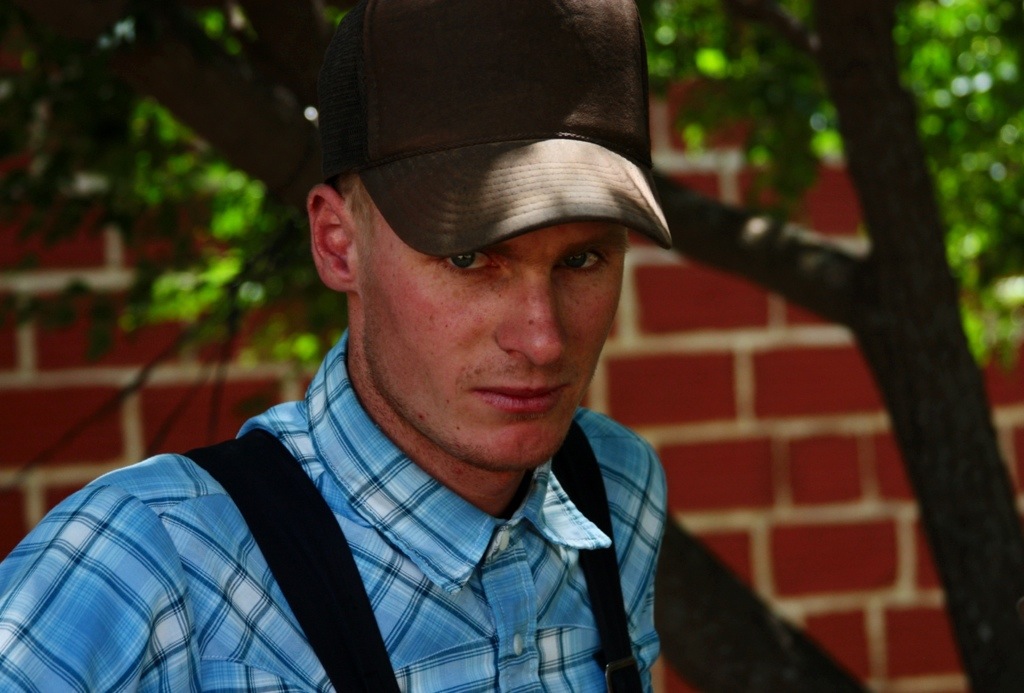
Heinrich Loewen, 21 yrs old.

John Loewen, 44, feeding whey to his cows.
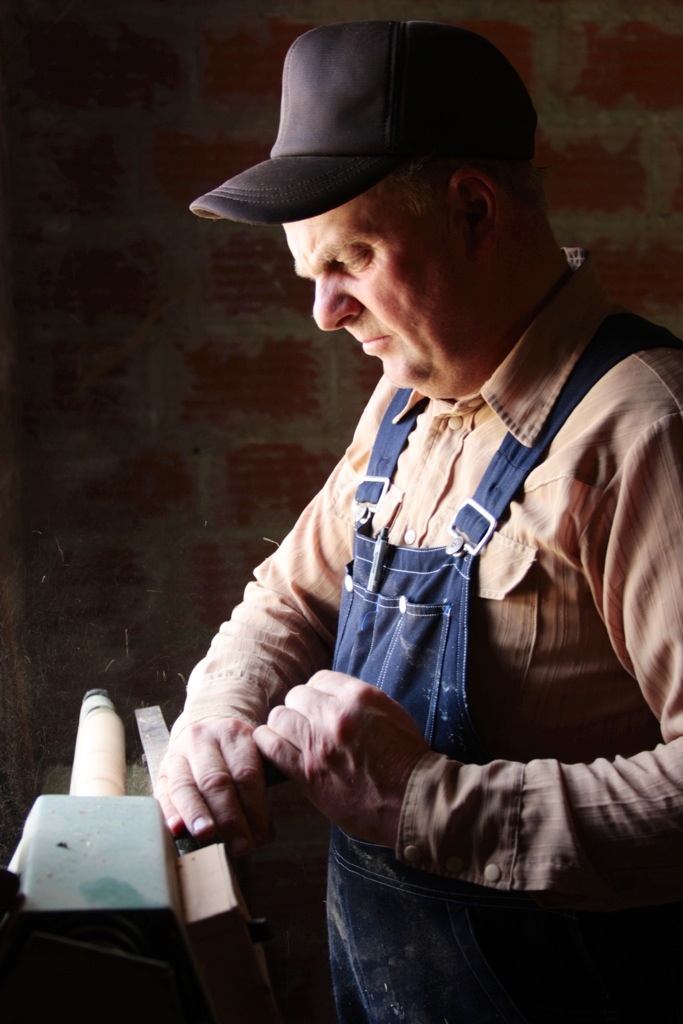
John also runs a small furniture factory to supplement the farm income.
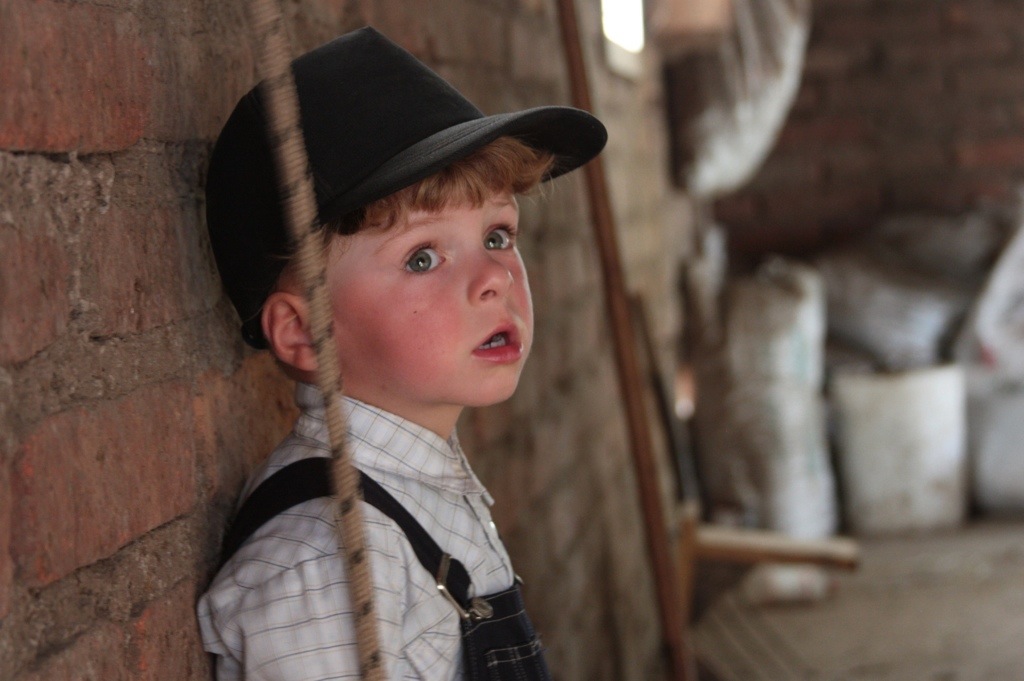
Johan, John’s first grandson, in the dairy barn.
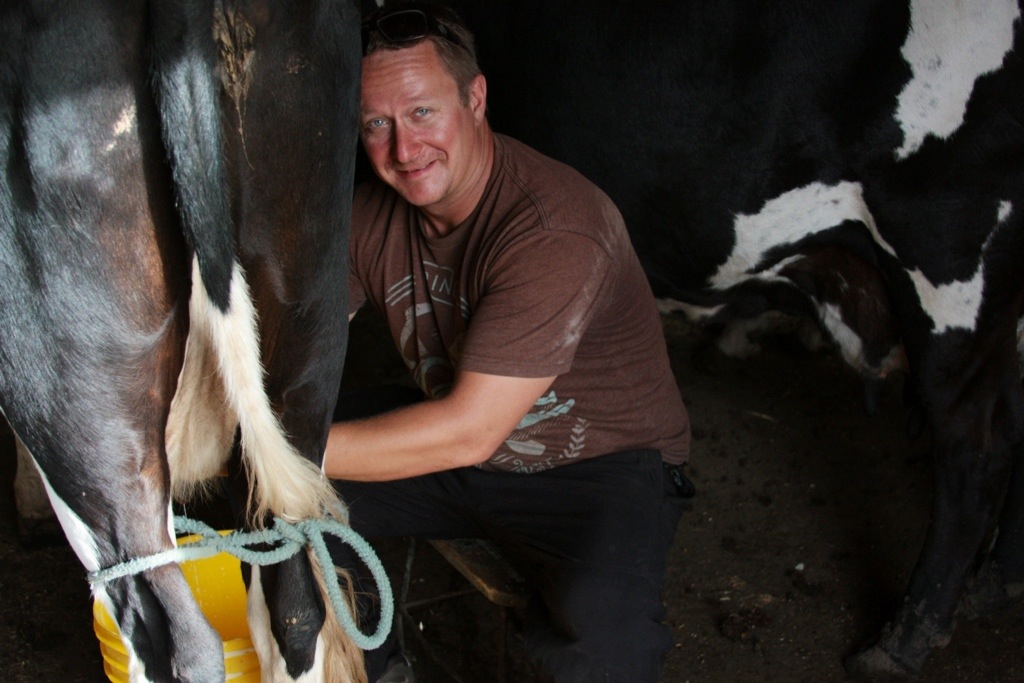
My first time milking a cow.
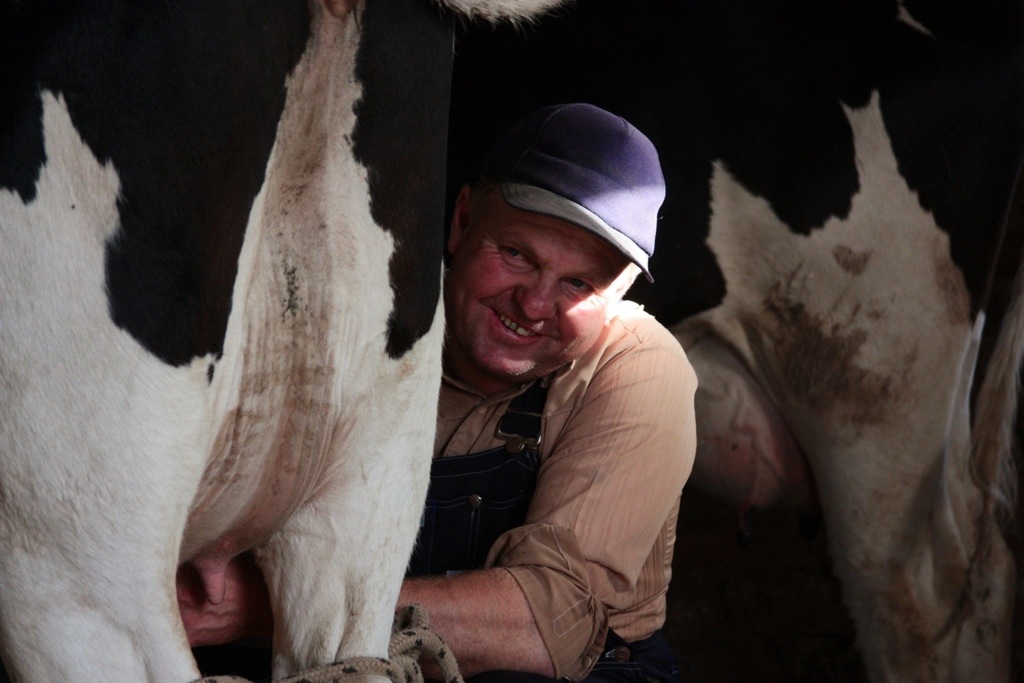
John.
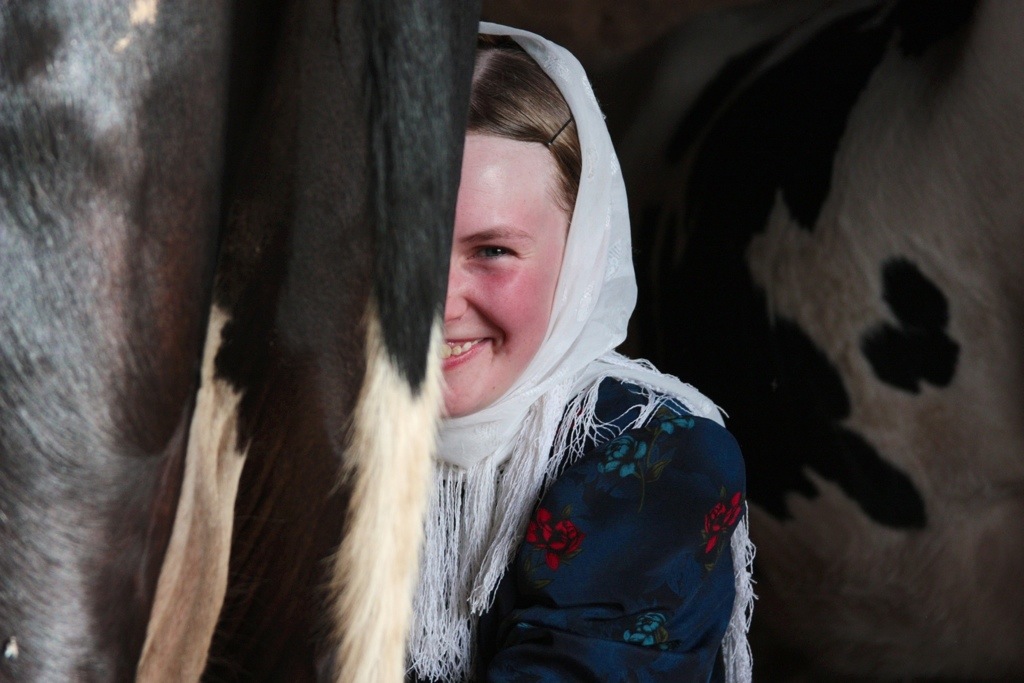
Helena, 17. She took the photo of me, first time she’d ever used a camera.
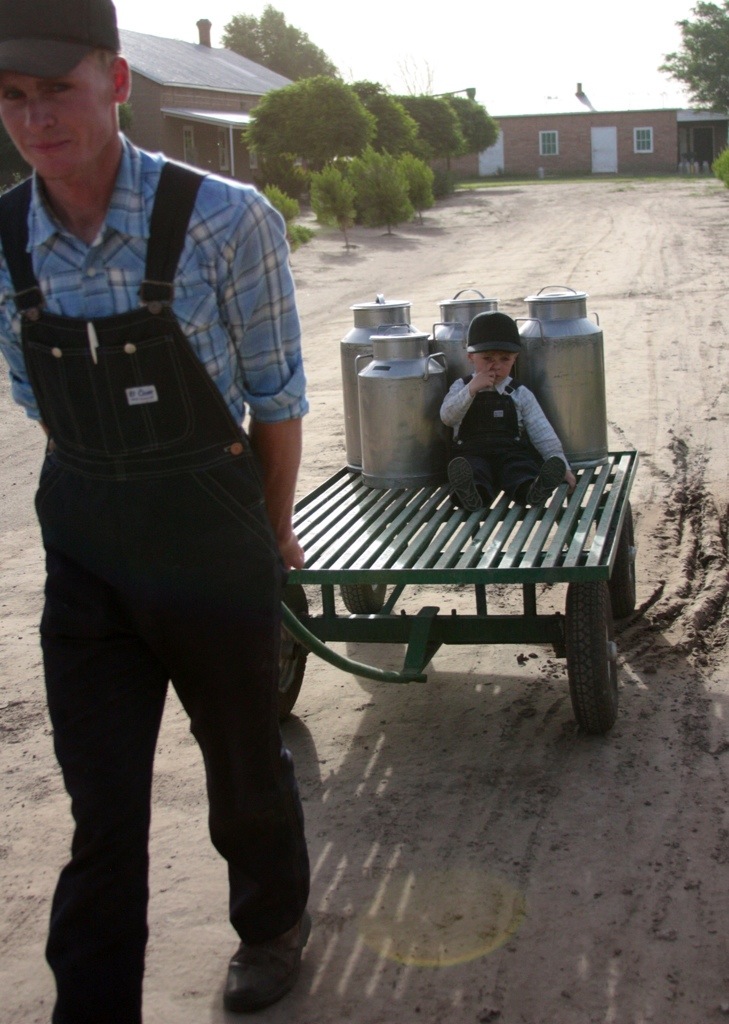
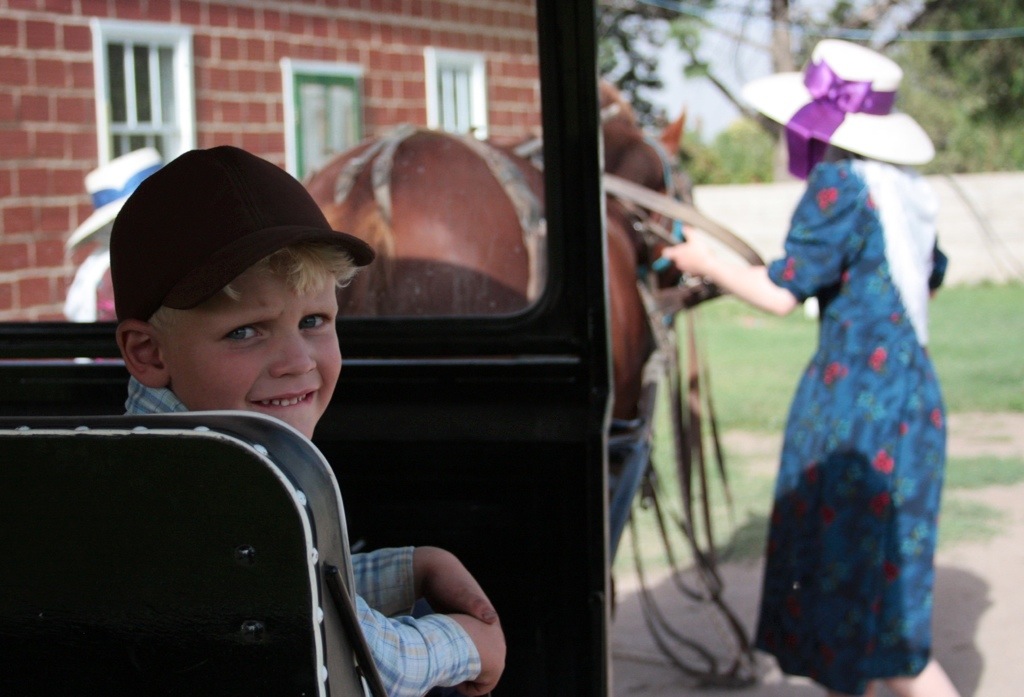
Heinrich taking the milk to the road for pick-up, his nephew Johan hitching a ride.
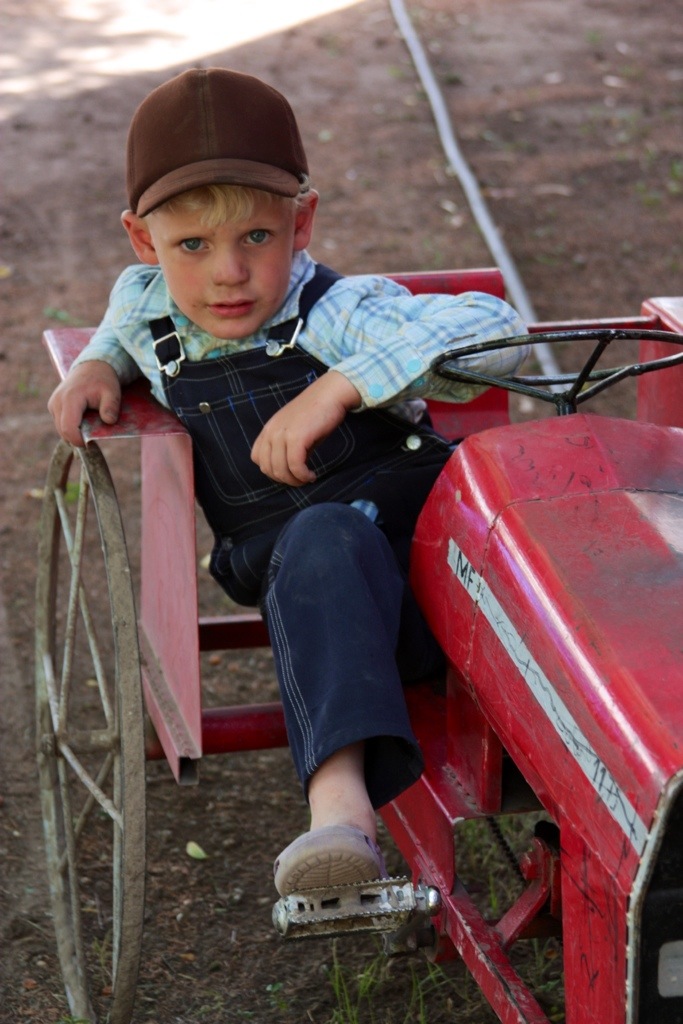
Peter, 4yr old, the youngest in the family. He spent all day on this toy tractor.
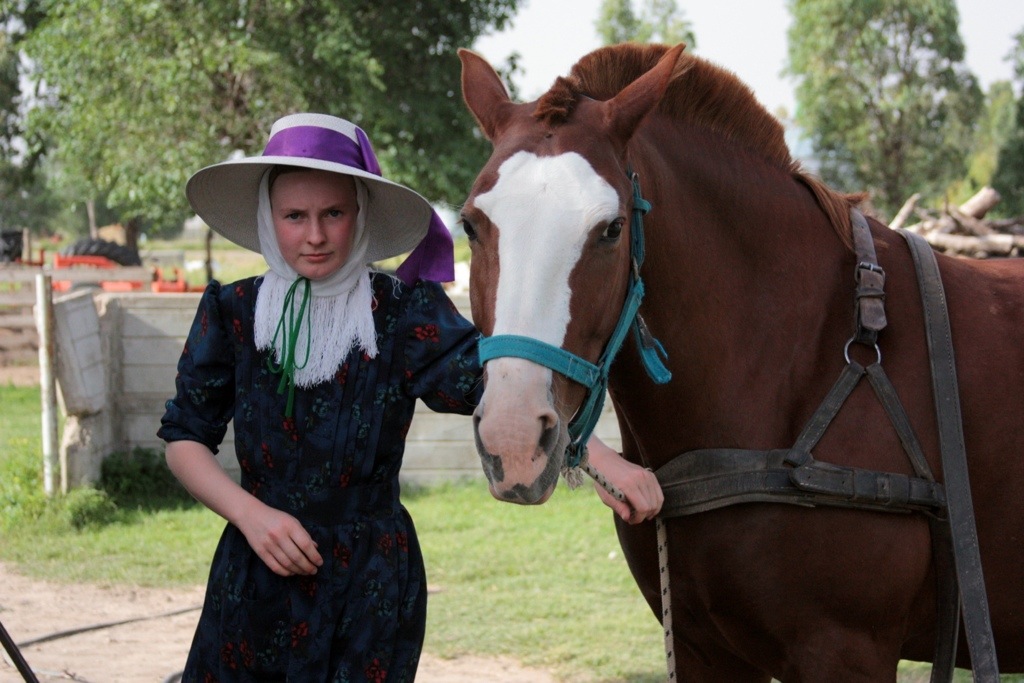
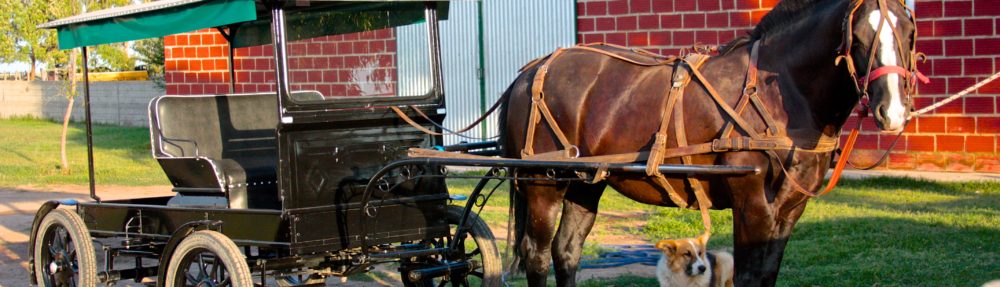
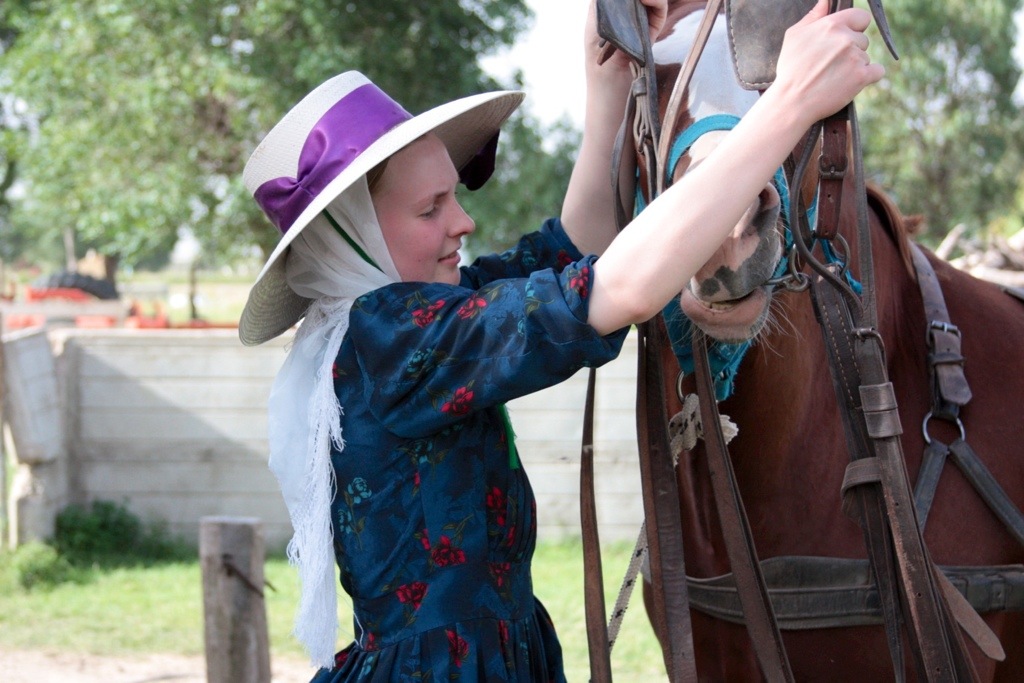
Helena hitching the horse to the buggy so her mother could go visit the neighbors.
I’m very pleased to announce that my documentary film, The New Northwest Passage, will be premiering at the Winnipeg Real To Reel Film Festival, Feb 12-17, 2013. Showtimes to be announced shortly.
I plan to be there and have been asked to do a Q&A after the screening.

I’m now in Buenos Aires, recovering from yet another fall off the bike. My rear brakes failed as I approached a corner, on gravel, and I fell heavily on my right side. I’ve had x-rays done, nothing broken, but I’m taking a few days to let things heal before I return to the road.
Here’s a little update on how I got here:
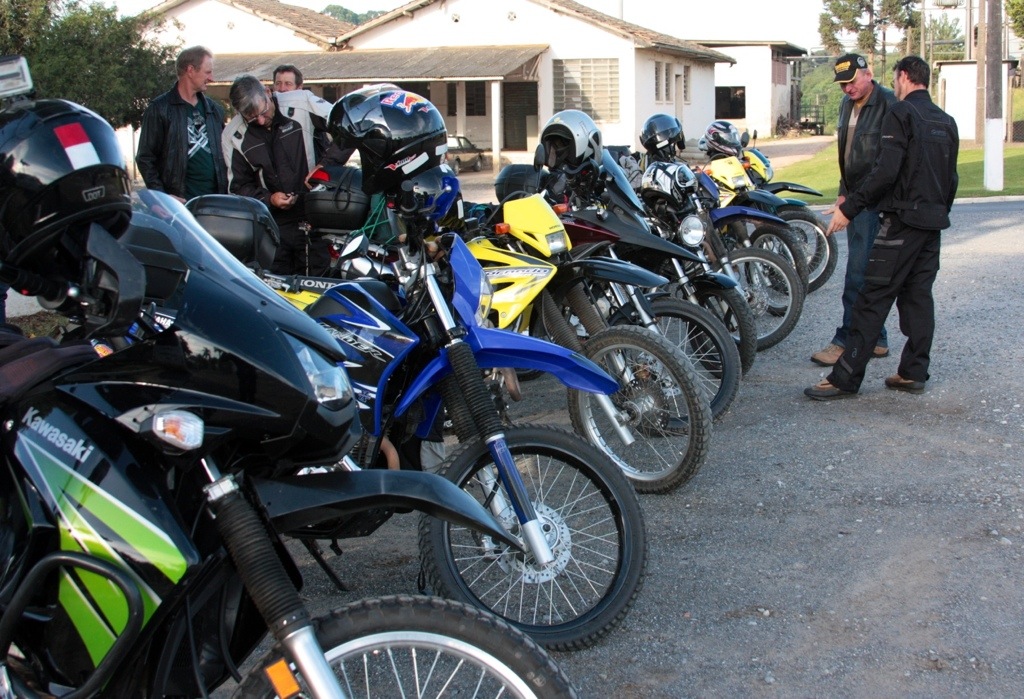
I spent several days riding with a group of motorcyclists from Witmarsum Colony, near Curitba. Here we’re getting ready to hit the road, heading south.
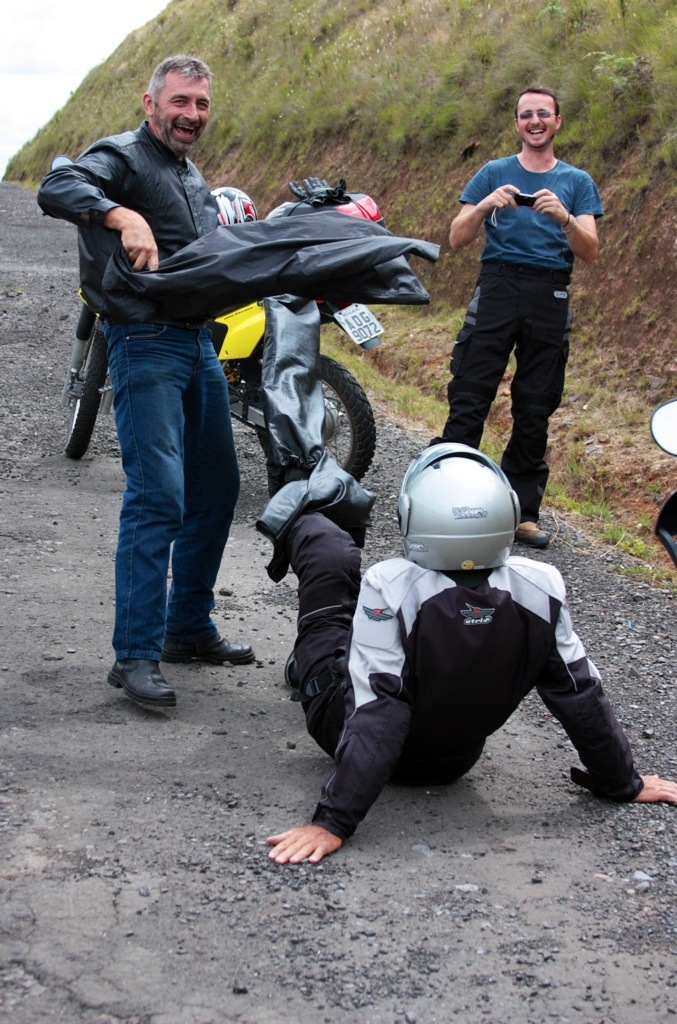
The first day had intermittent rain, which means getting in and out of your rain gear throughout the day. That’s easier said than done for some.
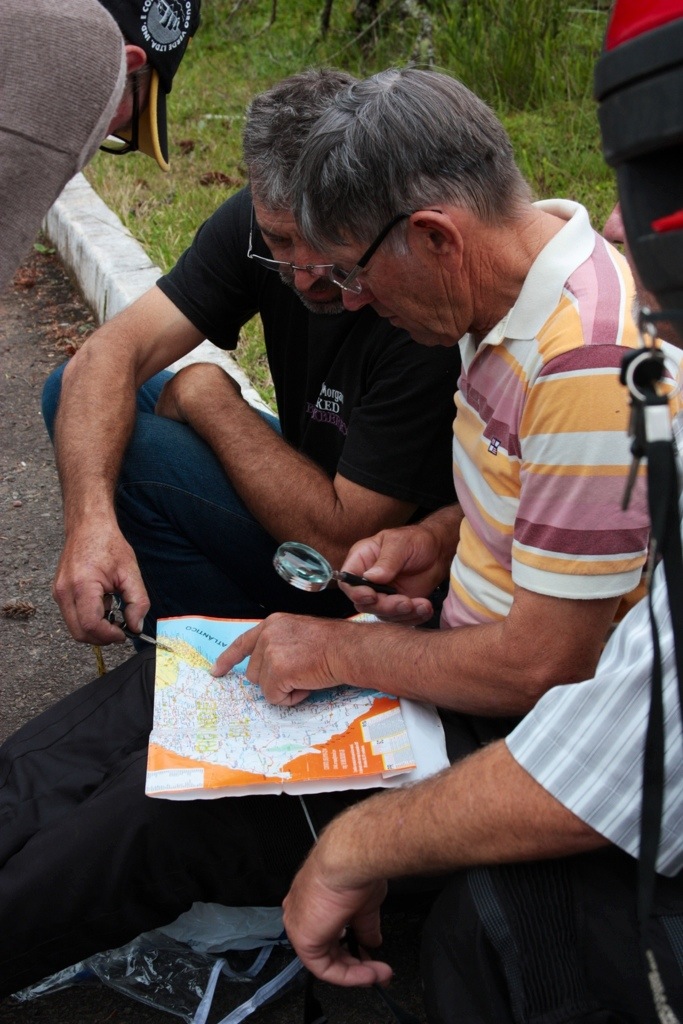
A bit of route planning, the old fashioned way. I also don’t carry a GPS (only the one on my iPad).
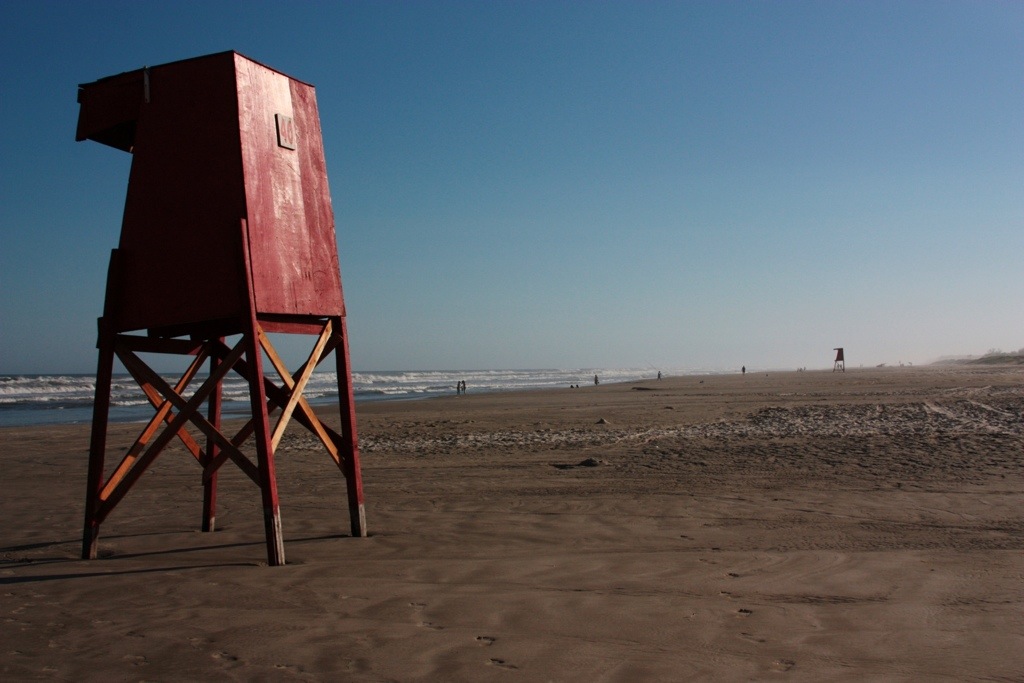
I spent several days on the beach in Southern Brazil, near Porto Alegre. The area has a series of lagoons, separated from the sea by a narrow, sandy isthmus. I camped along the shores of the sea and lagoon and took two days to drive the stretch, which I found very beautiful.
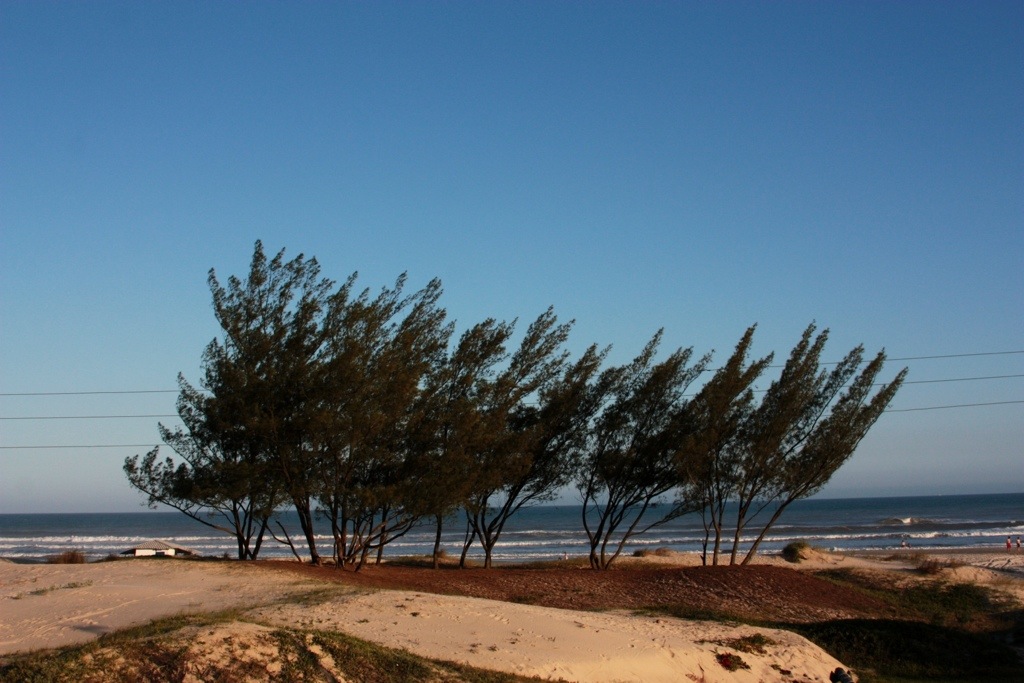
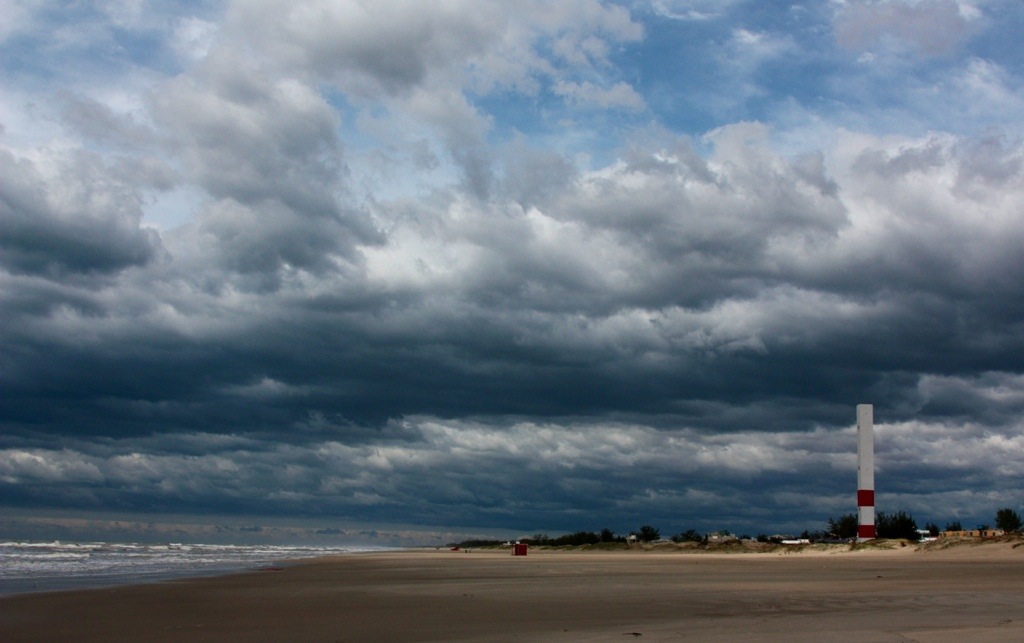
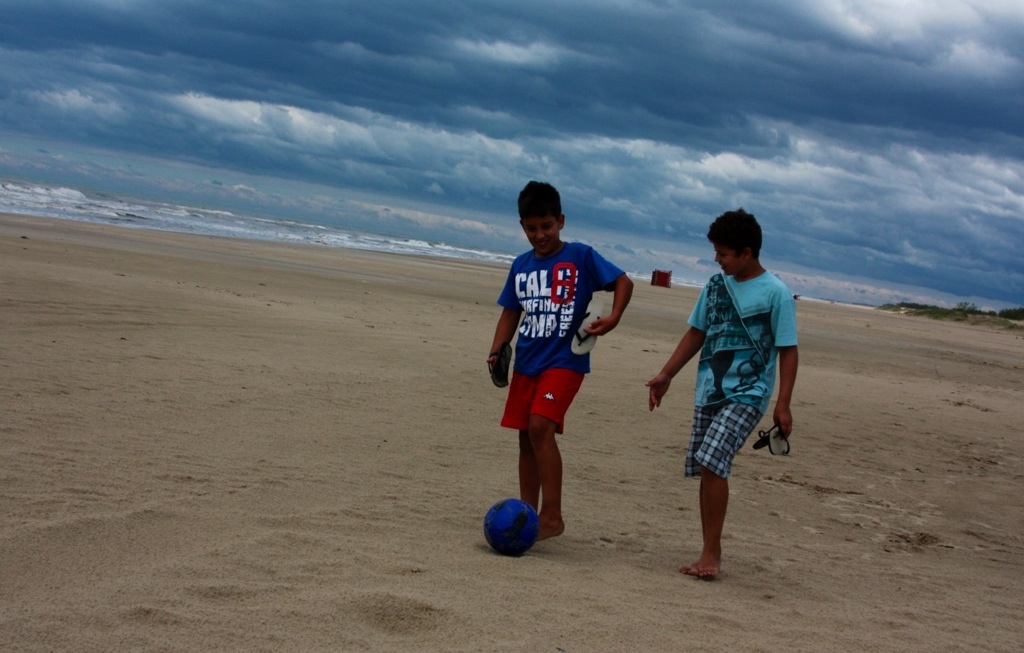

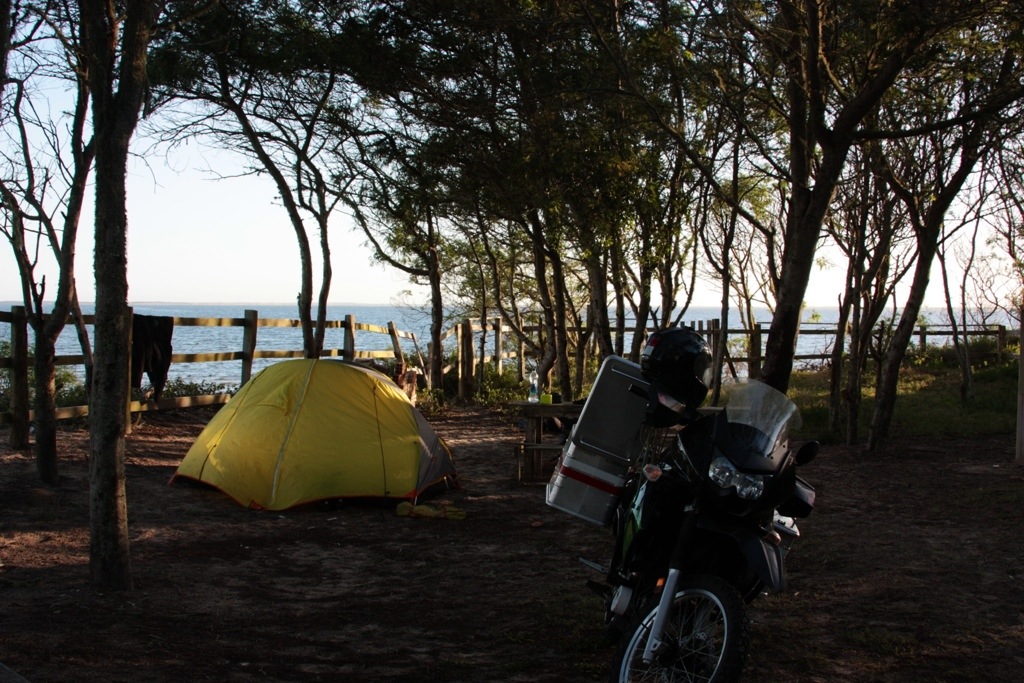
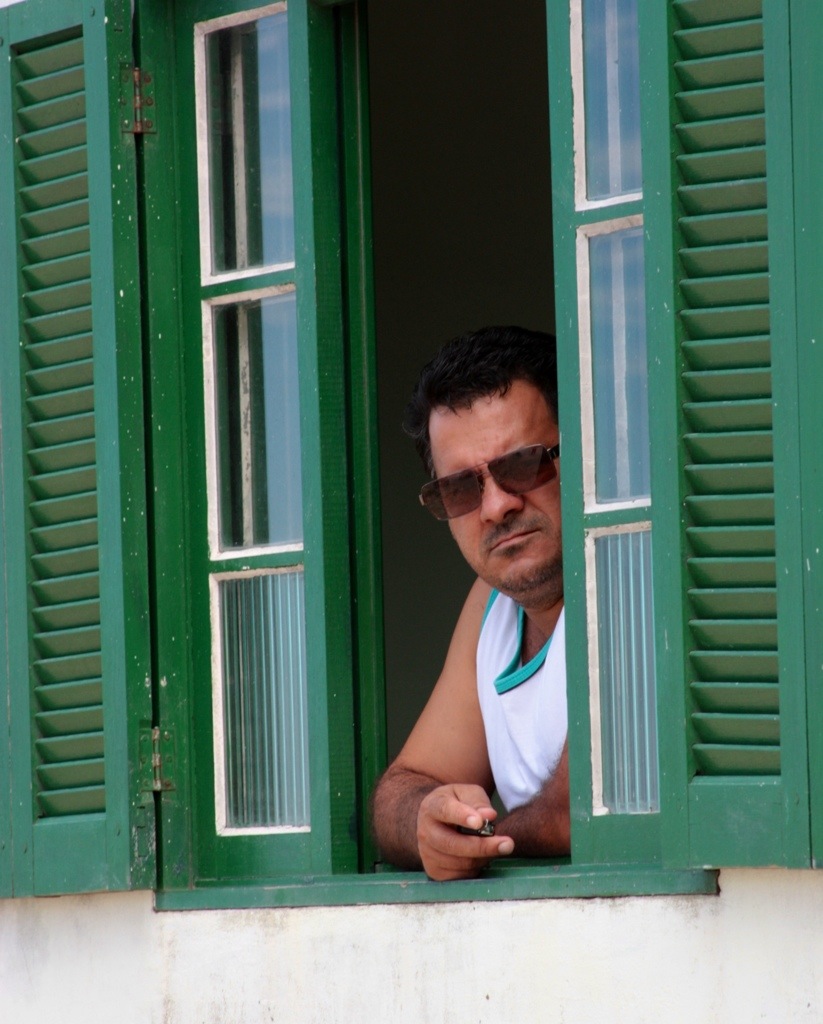
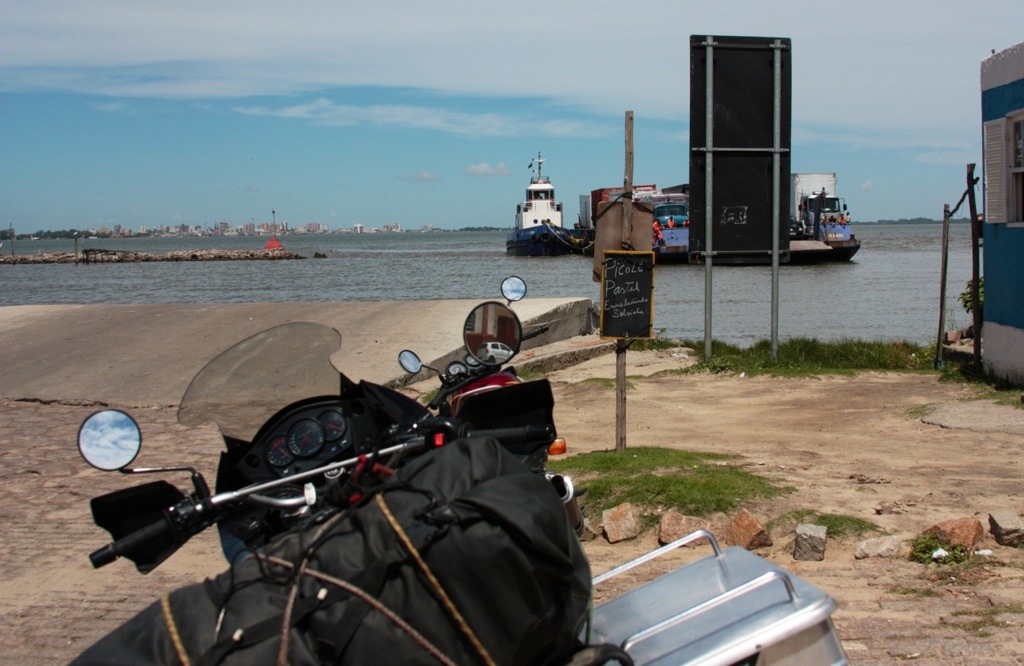
At the south end the lagoons open to the sea, so I had to take a ferry to Rio Grande, and from there cut back inland.
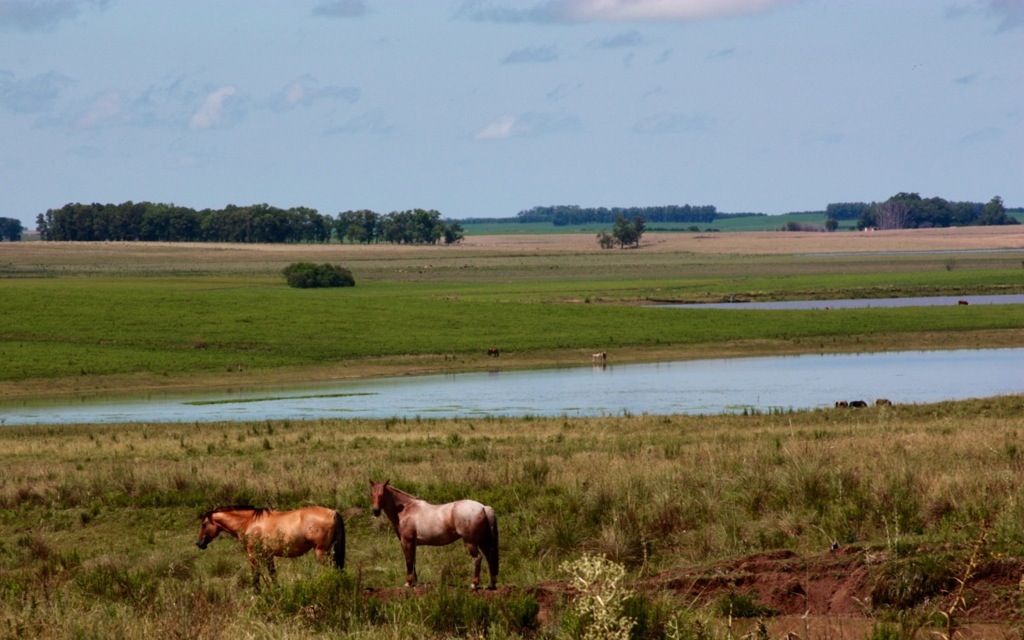
I was struck by the wide open beauty of Uruguay. It reminded me a lot of when I drove motorcycle across Inner Mongolia in 2010.
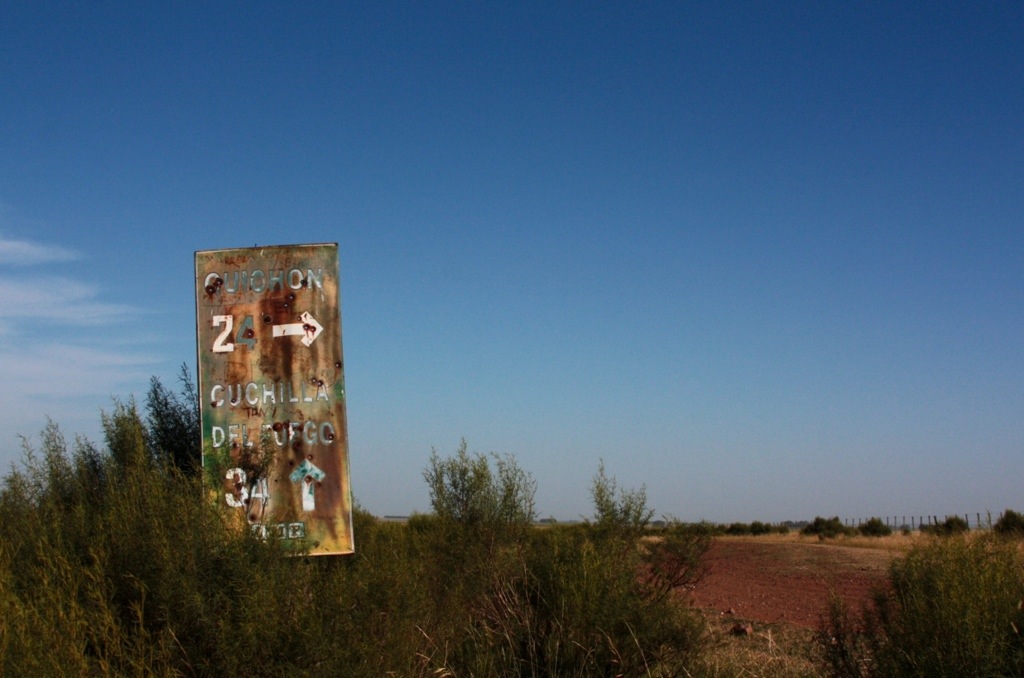
Sometimes it is neccassary to stop to read the signs…

Fishermen working on the shores of the South Atlantic in Uruguay.
I entered Brazil three days ago, though it feels like a week. This is the 16th country I’ve been in on this journey. The change from Paraguay was immediate and huge. Brazil is clean, pretty, green, civilized and wealthy. I like it, lots, although I am back to square one in terms of understanding what people are saying. Learning a bit of Spanish hasn’t done me a lick of good in understanding Portuguese.
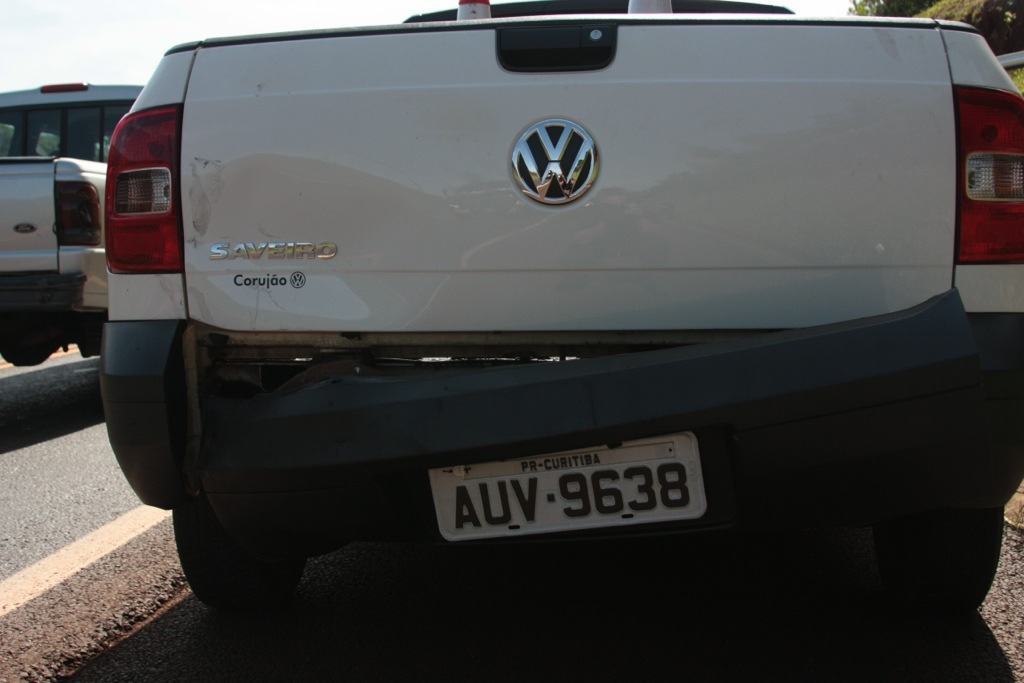
I had my first major accident of the trip shortly after entering Brazil. A truck was stopped on the highway. A car in front of me blocked it from my view. The car swerved to avoid the truck at the last moment, leaving me with only meters of braking space. I was doing about 100km/hr and had only a split second to lock my brakes, so I estimate I was doing 70 km/hr on impact. My last thought was “This is gonna be a big crash”. But I got up immediately after everything stopped moving, and thought “Hmm, that wasn’t so bad.” I have not yet figured out the physics of it. The truck was pushed forward by the impact. This picture doesn’t show it well, but the truck bumper was torn clear off the frame. There was significant breakage/bending of the metal/frame. My bike suffered only some broke plastic on the fender and faring. The forks/wheel/handlebars are straight and true. I can’t figure out what absorbed all the force, and a witness on the scene was as puzzled as I was, as were the cops, EMS people, the driver of the truck, etc. I woke up VERY sore the next day, and I still am feeling like I was beaten with a lead pipe. But nothing was broken. Yes, I’m a lucky man. I have no collision insurance, so I had to pay the guy about $180. I could have just driven away (even the cop told me that) but that didn’t feel right, as technically it was my fault (although he was an idiot for parking on the highway like that). Life goes on.
A few bikers pulled up and helped me get my bike back on the road and negotiate the payment, etc. Thank you Volnei and Marcel!

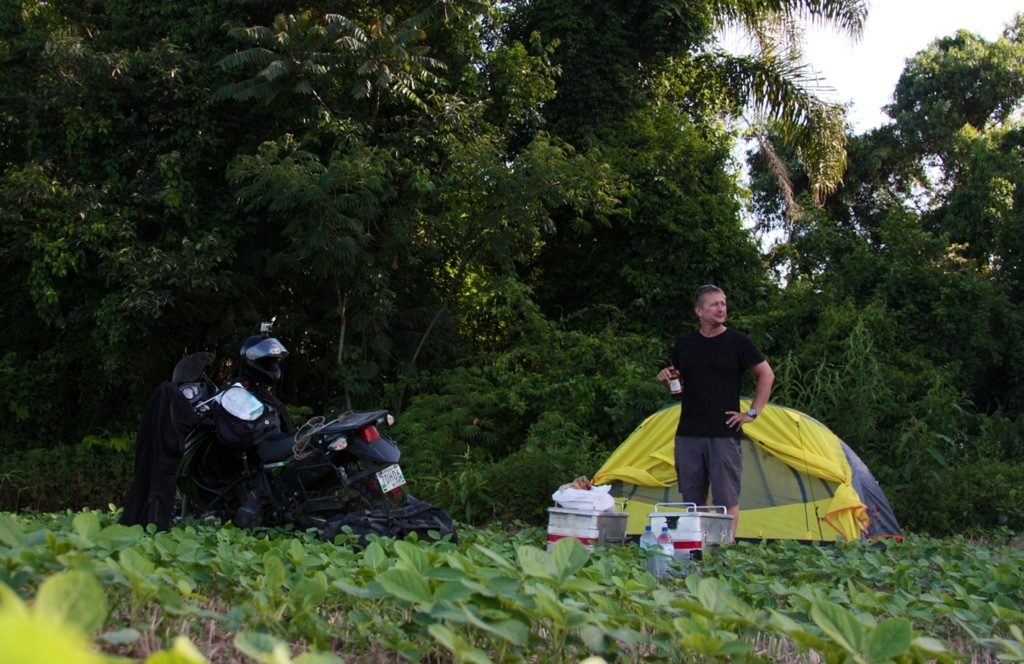
I spent my first night in Brazil camped in a soya bean field. I look rather proud of myself.
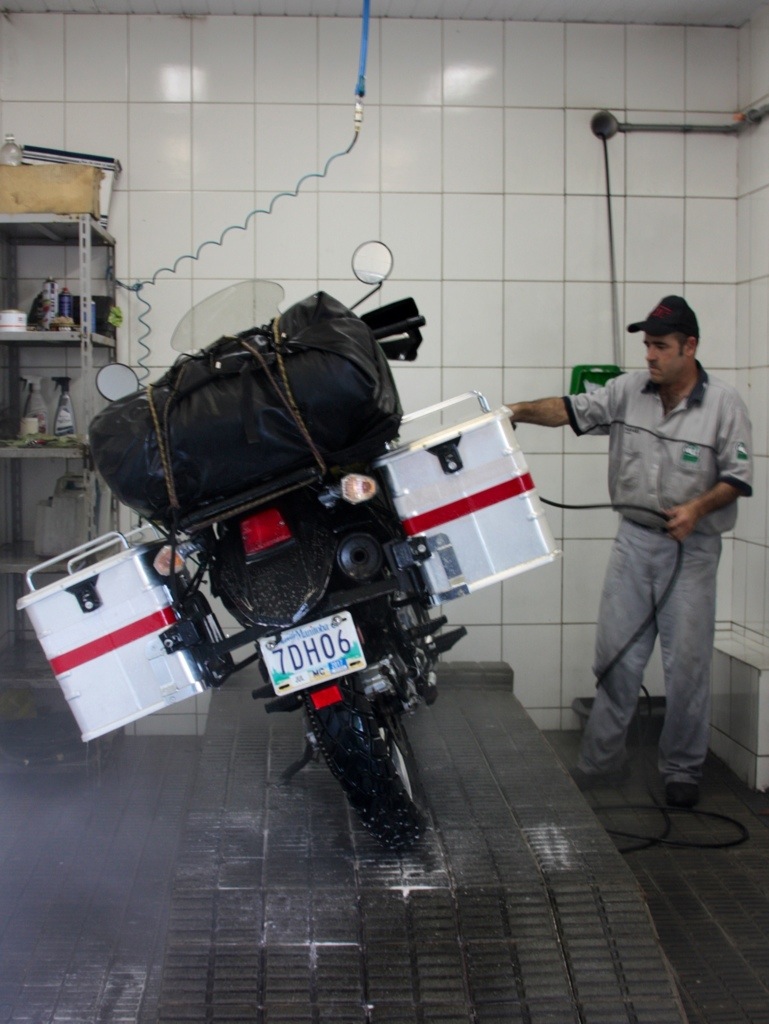
The next morning I rode into Curitiba, Brazil. As I entered the city I passed a Kawi shop, so I stopped to say hello. They offered to give my bike a proper wash, and then they escorted me to a cheap, clean and cheerful hotel in the center of the city. Thank you Rhino Motorcycles.

Curitiba and the surrounding area is home to about 8,000 Mennonites, most of whom came from Russia/Ukraine/Siberia in the 1930s. This is Maria Duck (nee Kroeker), who fled Siberia at 5 years old, crossing the Amur River into Northern China and living in Harbin for about 1.5 years before finding her way to Brazil.
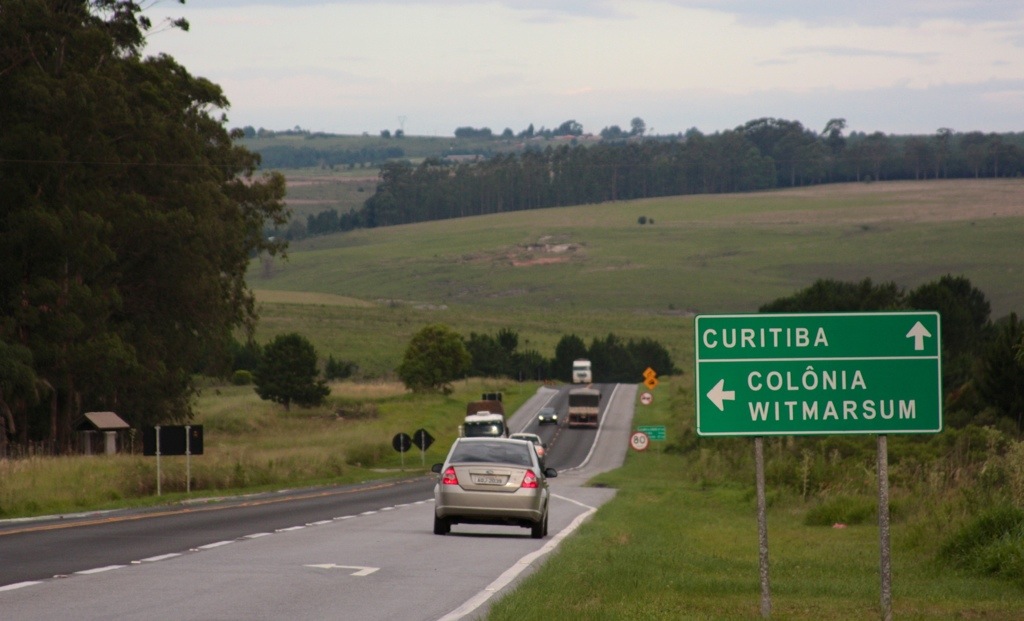
Witmarsum (named after Menno Simon’s birthplace) is the biggest colony. A lovely little village filled with intelligent, educated and open-minded Mennonites who have embraced Brazil as their home, at least the ones I met. Mennonites have a long and rocky history of resisting change, but in this case here I sensed a good balance of pragmatic acceptance of the onward march of time and continued pride in their Mennonite history.
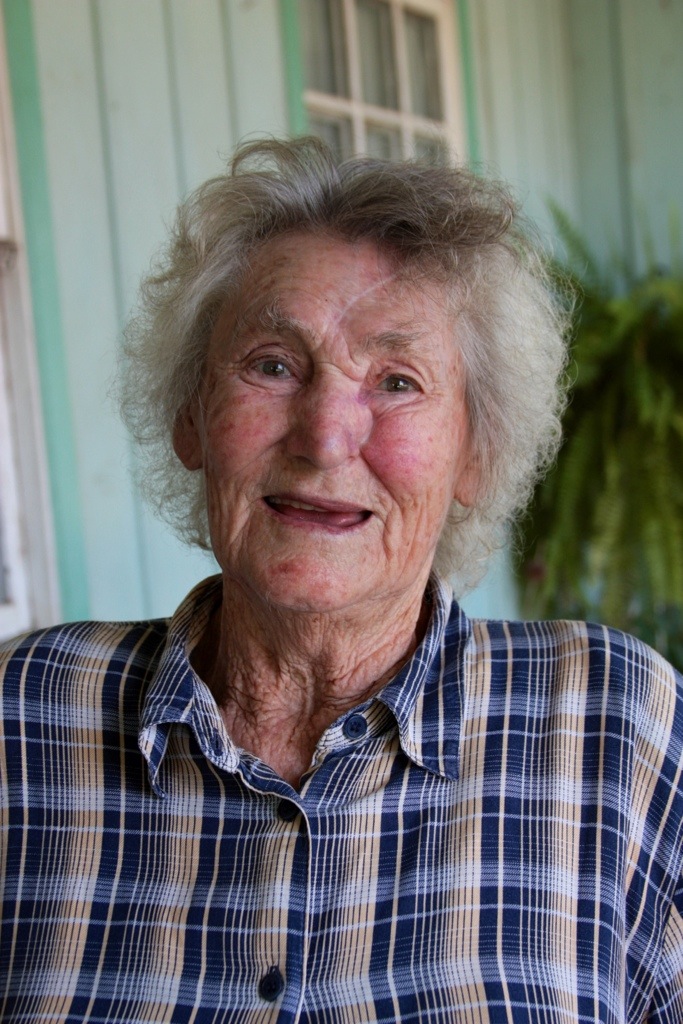
Lena Harder is 83, and fled Siberia when she was 1 year old. She worked in the Witmarsum hospital for years, and now runs the museum that is housed in the same building. I asked her what she thought would become of Mennonite culture in her area. “Few kids these days can still speak Low German, they all speak Portuguese. But it will continue to exist here for a few more generations, I’m sure of that. It’s just part of life, we live in Brazil and we have to change and adapt to the culture around us,” she said.
I spent more than a week in Loma Plata, Paraguay. This colony was created by Mennonites who left Canada in the 1920s when the Canadian government said they had to start teaching their children English in school. They had a brutal first few years carving farms out of the “Green Hell” of the Chaco. Today it is a fairly open, forward thinking colony (with Spanish as the main language in school), though many of the stereotypes still hold true. They are still struggling to come to grips with being a part of Paraguay, rather than just having a mini-state within the country. It’s the biggest colony in Paraguay, and they have become very rich through farming and industry. They are descendants of families that came to Canada from Russia on the same ship my great Grandfather came on in 1874.
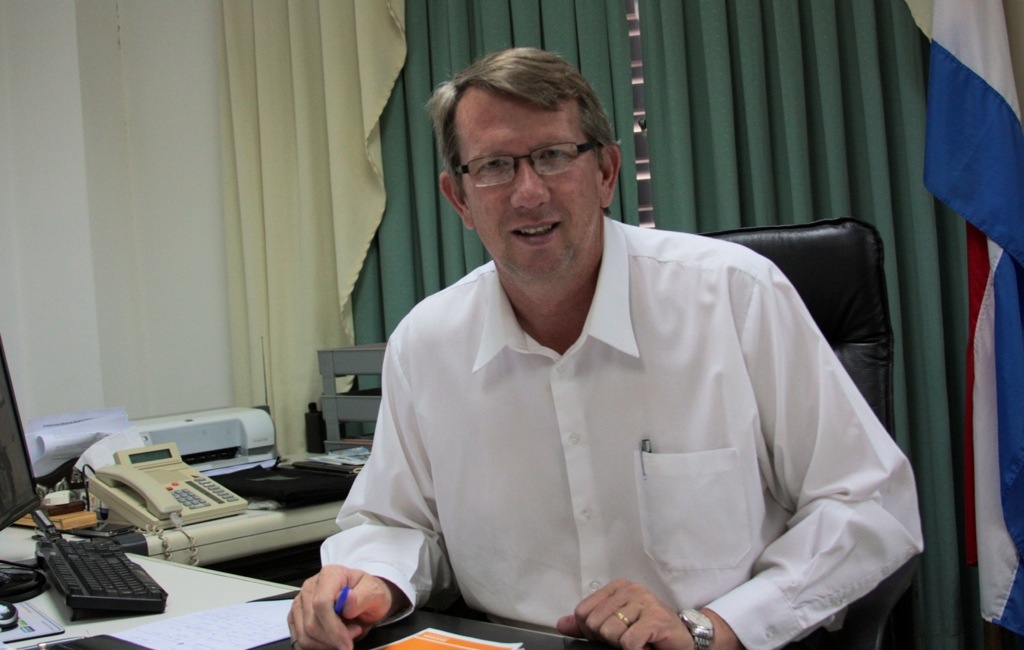
It was election time when I was there, and Andreas Neufeld is the outgoing president of the co-op, which runs just about every big business in town. It has annual revenues of $750 million. He has some interesting views on what Mennonites need to do to survive, many of which included more cooperation with the national government and better integration with Paraguayans. I agree.
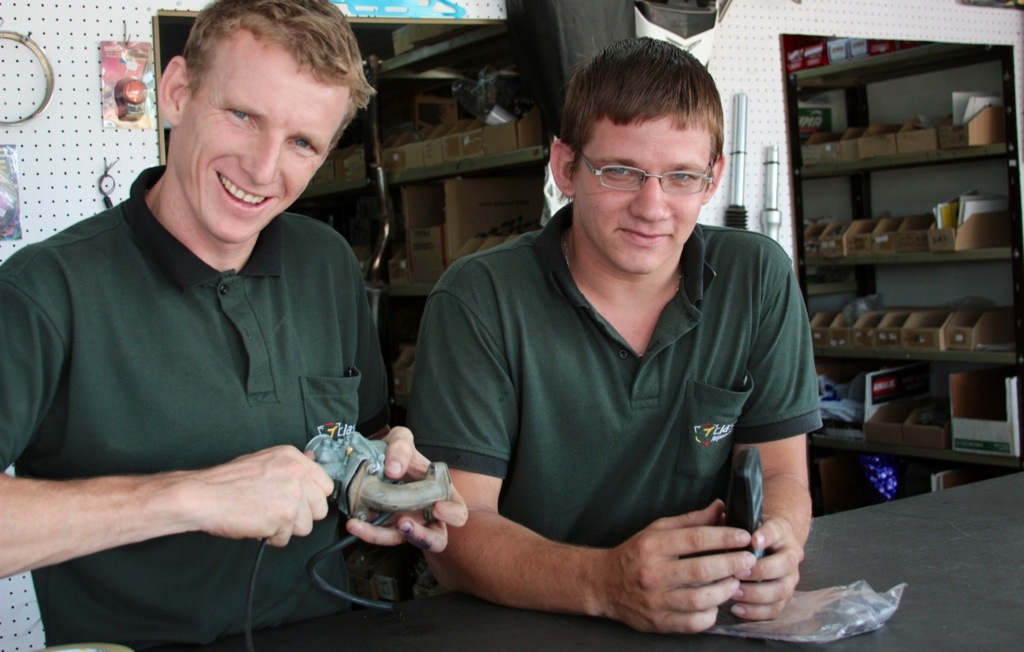
These two dudes at Classic Moto helped me fix my leaking “chjiela” (radiator), put on a new tire and make other small repairs to the bike. Thank you Randy Fehr and Dorien Funk for the laughs, mechanical help and gallons of tereré you served me across this counter.
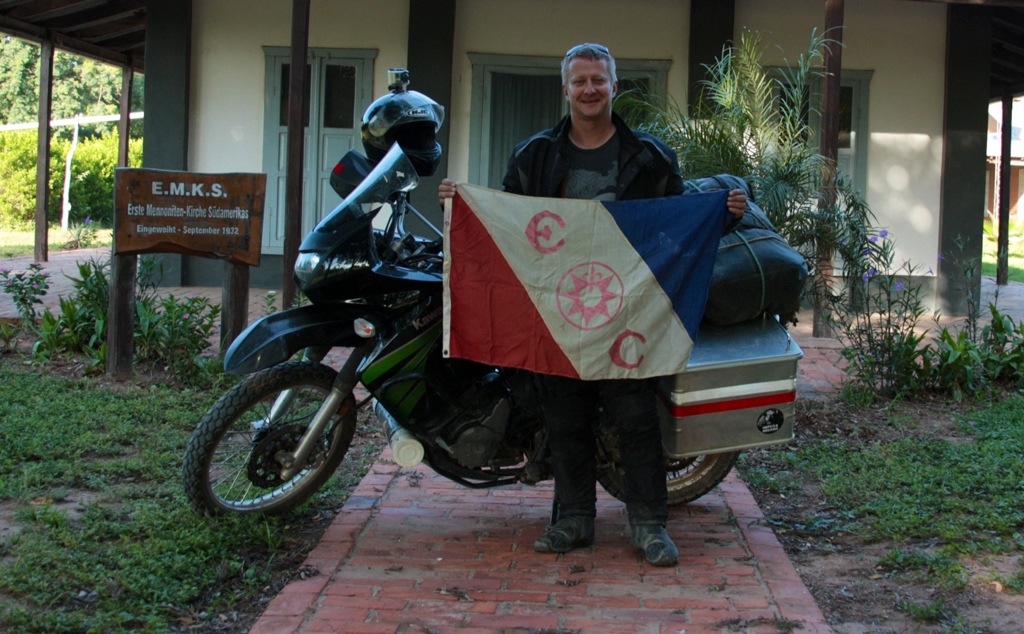
The old Explorers Club flag and I in front of the first Mennonite church in LatAm, in Loma Plata, Paraguay. I told the club the mission of this “flag expedition” was to get a sense of what modern Mennonite culture is. I think I’ve got a pretty good idea by now.
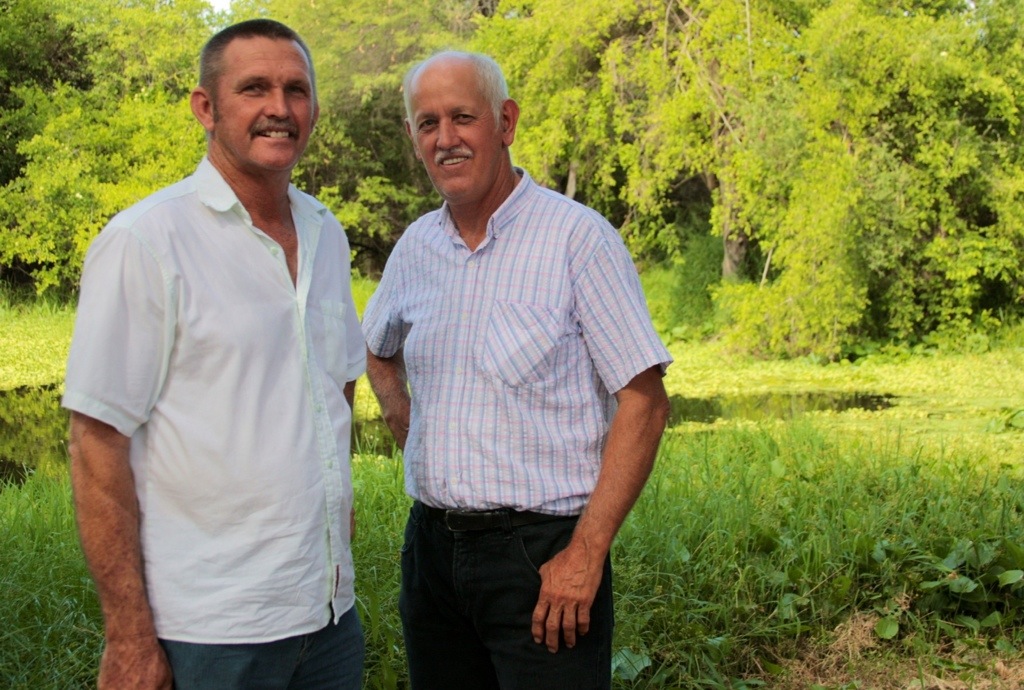
Helmut Neufeld and David Fehr spent a day showing me Menno Colony and a few historical spots in the area.

The next day I drove to Porto Casado with Rudy Harder (above), David Fehr and his brother Peter. This is where the Mennonites first arrived in the Chaco. We visited the cemetery, where the men found some of their relatives that didn’t survive the trip.
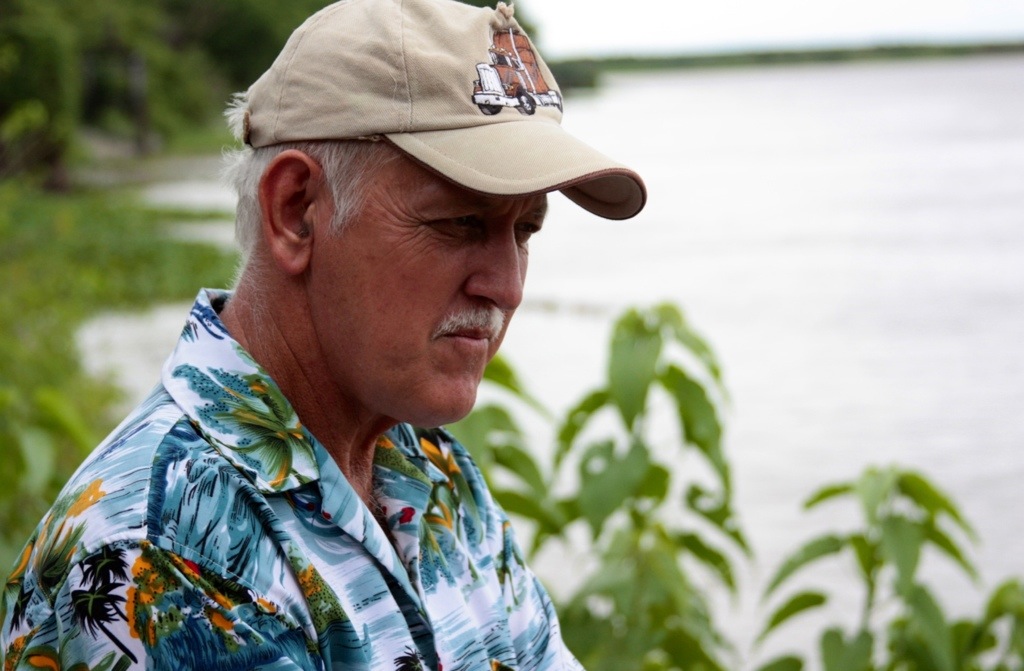
We ended the day by fishing in a Chaco pond. It was a lovely afternoon of fishing, eating, and telling stories. This is David Fehr.
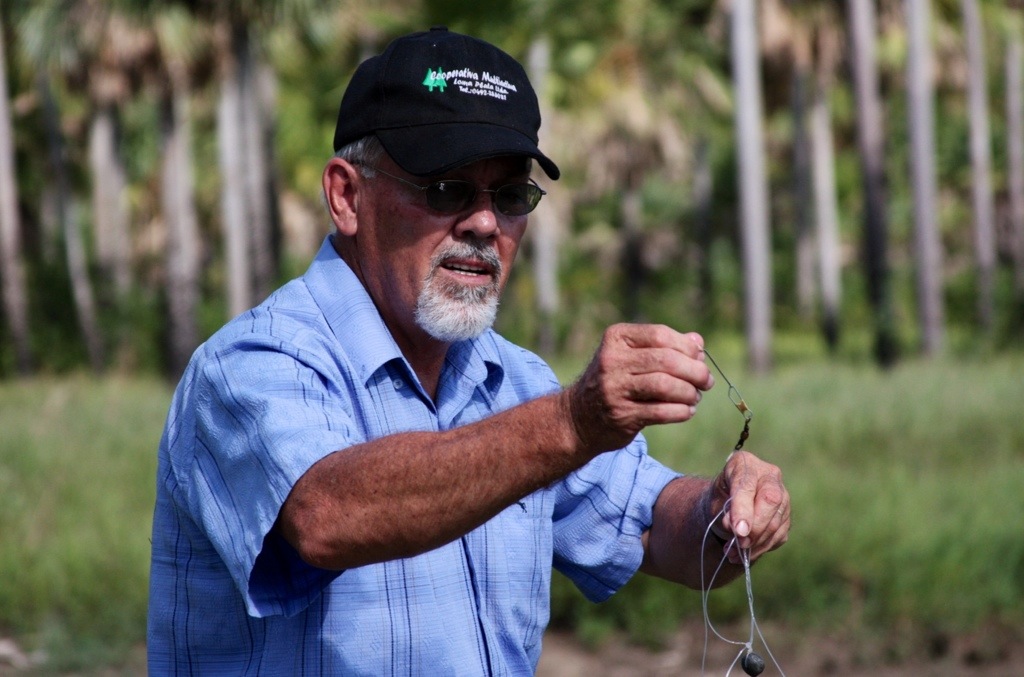
Peter untangling his line…
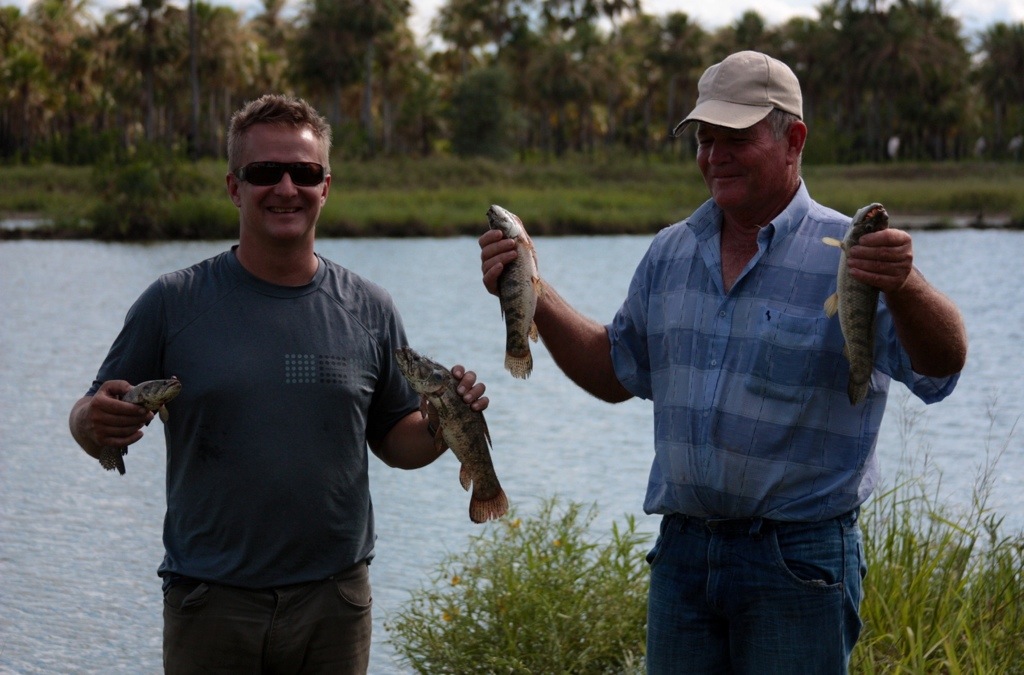
This is just after Rudy put his trousers back on. He lost his line in the pond, so he had to strip down to his undies to retrieve it. I didn’t take any photos, but we gave him a pretty hard time for it. I think they had blue polka-dots on them.
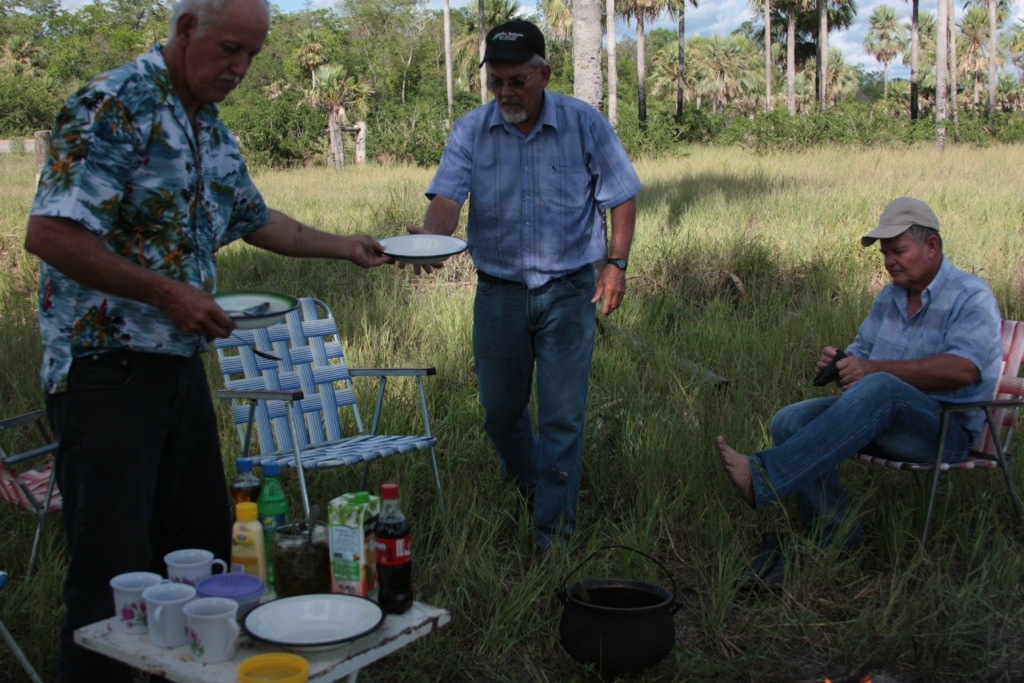
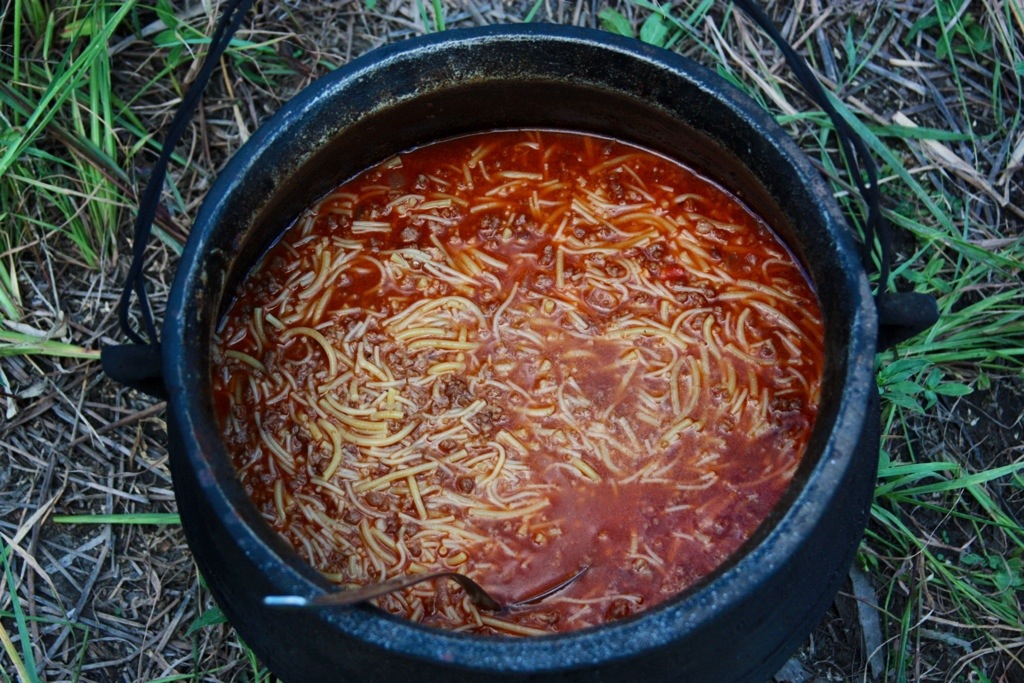
A cookout over the fire, where David whipped up a giso (below). I’m told it’s an institution among Chaco ranchers, and I ate it several times while I was there. Very tasty.
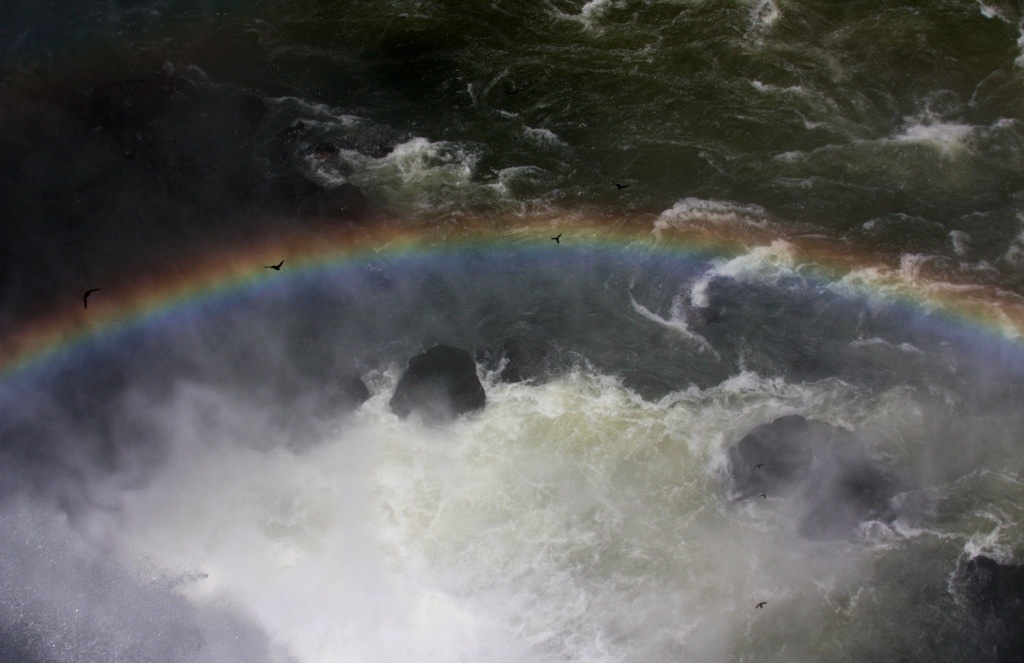
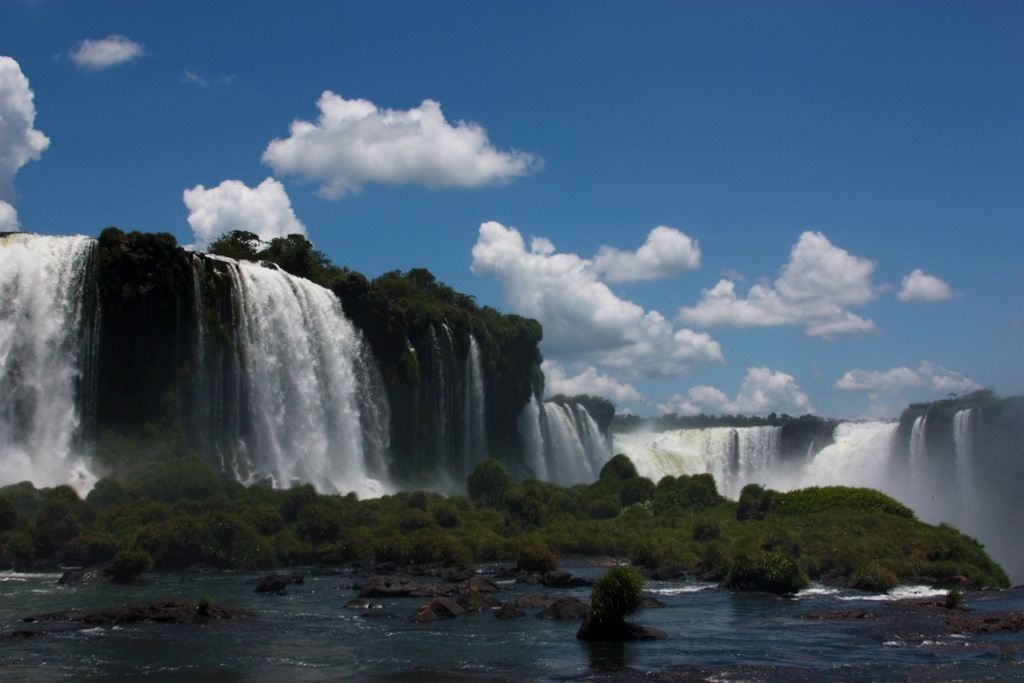
The first time I entered Brazil, in 2004, I did so illegally without a visa. I was caught and sent packing. I did it again on this trip, sneaking across the bridge from Paraguay to go see Iguazu Falls and then crossing properly the next day, since I only have a single-entry visa. And when I got to the falls…a rainbow!
 Follow